How roller shades work
One piece of fabric wound on a tube, down to cover and up to disappear.
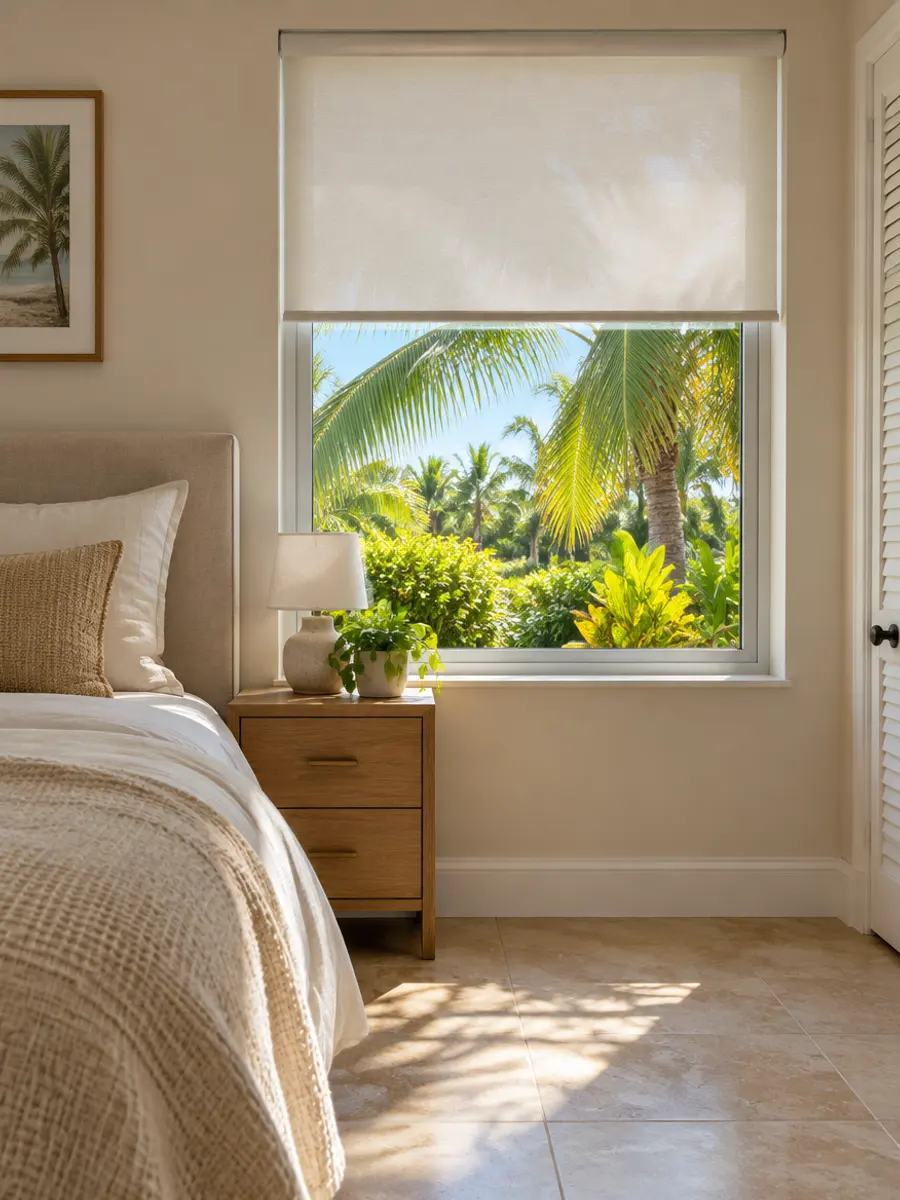
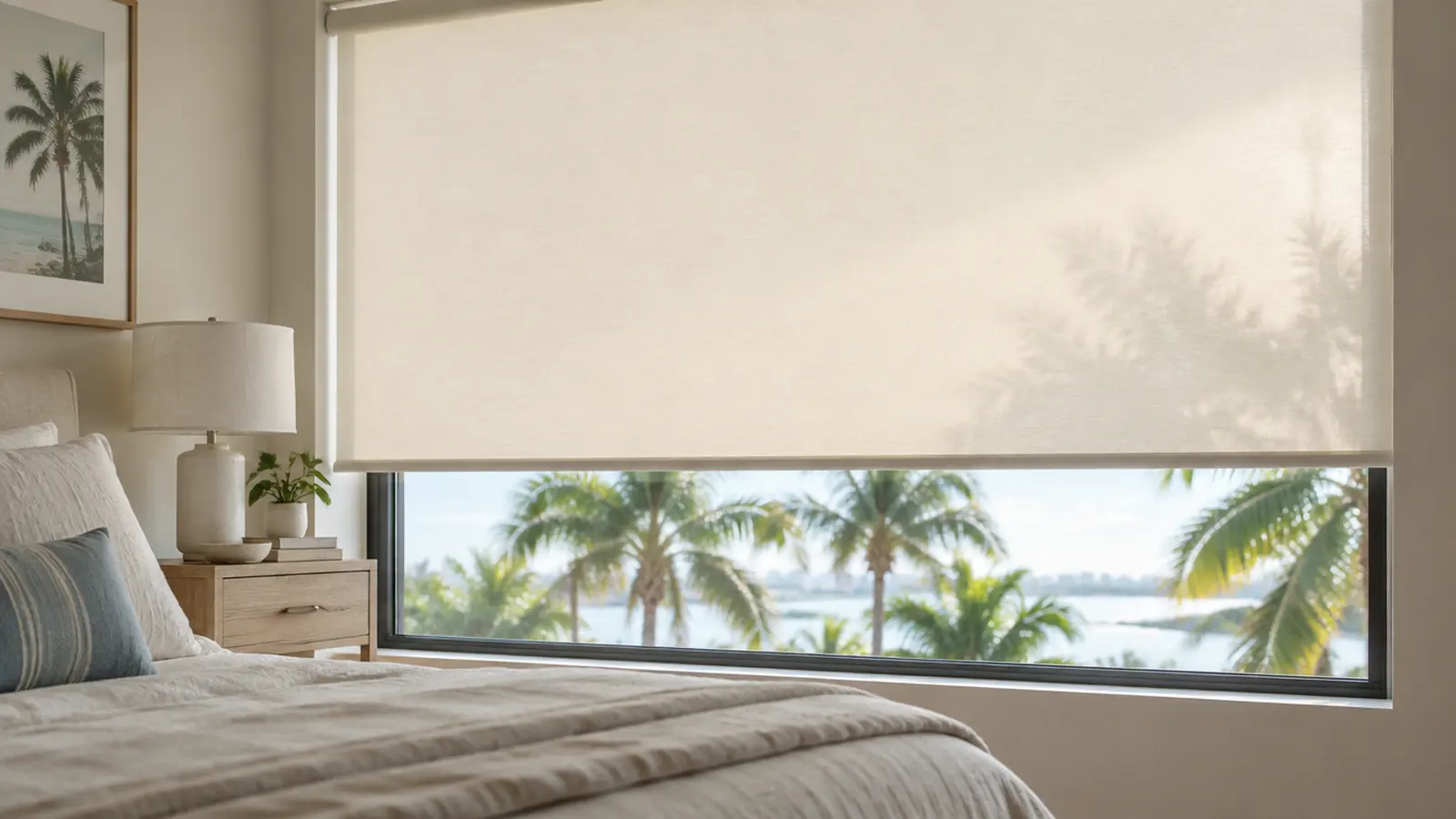
A roller shade is about as simple as a window treatment gets. The fabric is wound onto a tube that sits in a bracket at the top of the opening, and pulling it down unrolls it. Letting it up winds it back, so when the shade is open there is almost nothing in the window except the tube.
That is the reason it suits a modern room and a window you would rather not notice. There are no slats to break the view and no folds to gather dust. What the shade actually does, though, has nothing to do with the mechanism and everything to do with the fabric, which is why two roller shades that look identical can behave completely differently.
Where roller shades do best in a South Florida home
Everywhere, because the fabric is what you tune to the room.
In a bedroom, blackout fabric takes the room properly dark, which matters in a state where the sun is up early most of the year. In a living room, light filtering fabric keeps the room bright and stops anybody outside seeing shapes, so you are not choosing between daylight and privacy.
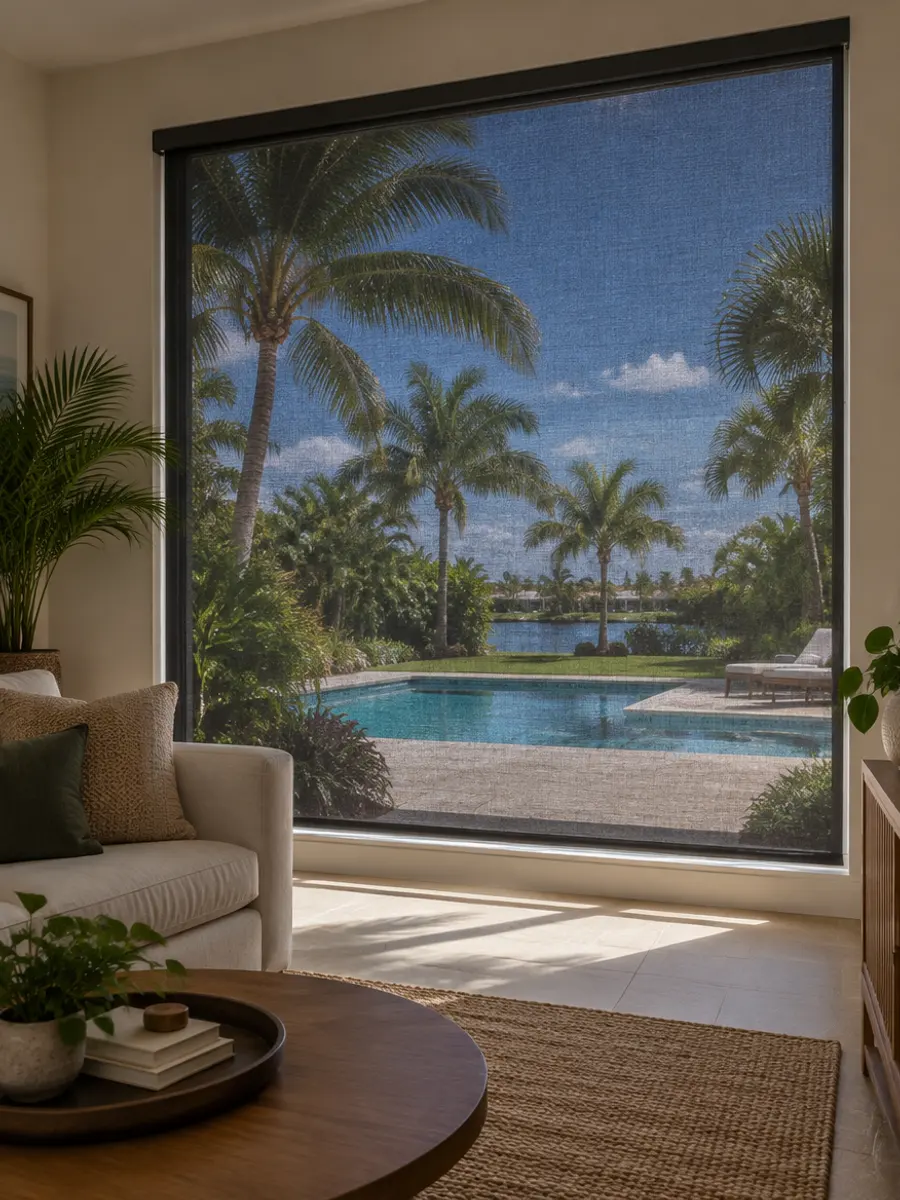
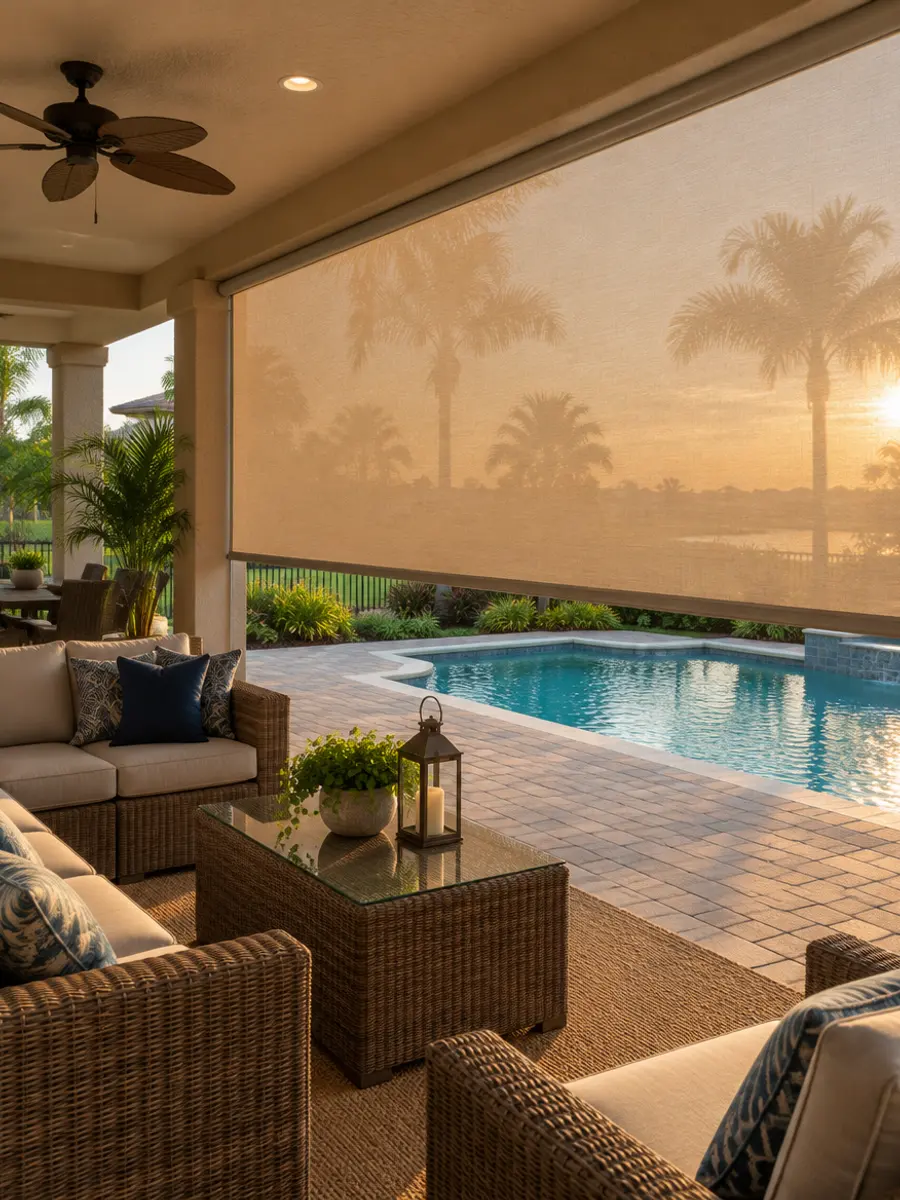
On a west-facing window, a solar fabric is the one to use: it is a tight mesh that cuts the glare and a good share of the heat while you keep looking out, which is worth having where there is water or a garden to look at. The same shade in the same hardware does all three jobs. Only the roll changes.
What you choose
The fabric, whether the roll is hidden, and which way the fabric comes off the tube.
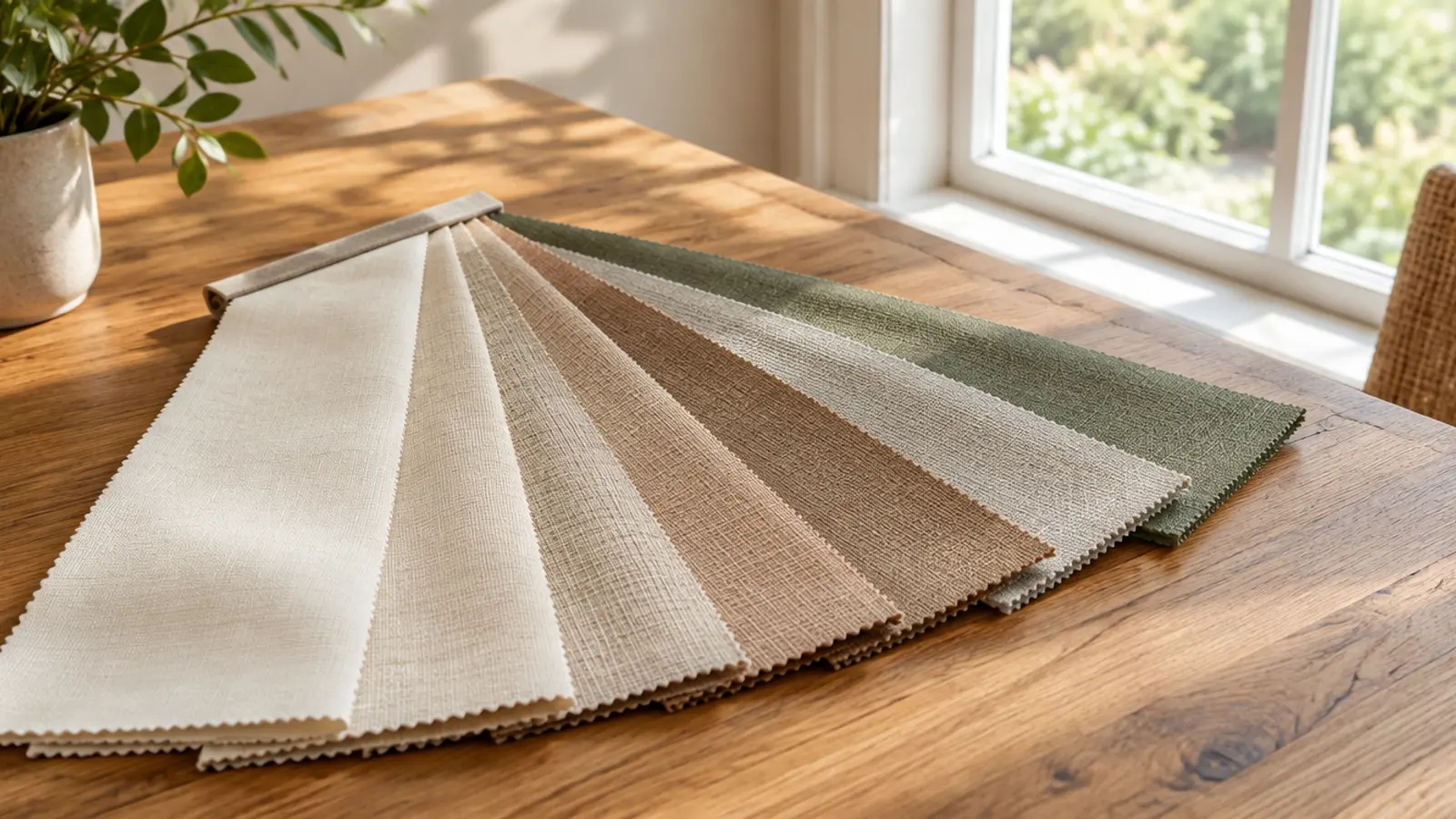
Fabric first, because it decides everything: blackout, light filtering, or solar at an openness you pick. After that comes the headrail. An open roll leaves the tube visible, which is honest and costs less.
A cassette is a slim housing that hides the tube and the rolled fabric behind a straight line, and it is what makes a roller shade look built in rather than fitted.
The last choice sounds minor and is not. A standard roll brings the fabric down the back of the tube, closest to the glass, which keeps the shade tight to the window.
A reverse roll brings it down the front, clearing a window handle or a deep sill that the fabric would otherwise catch on. We check the handle positions at the appointment, because a shade that fouls a crank is a shade nobody uses.
Motorized roller shades
This is the shade we motorize most often, partly because the mechanism suits it and partly because it is what goes on the tall glass in a condo. A schedule that drops them before the afternoon sun arrives is the feature people end up using daily. See how motorization works.
Pairings
What people pair them with
Very few windows end up with one thing on them, and the combinations below are the ones that come up most.
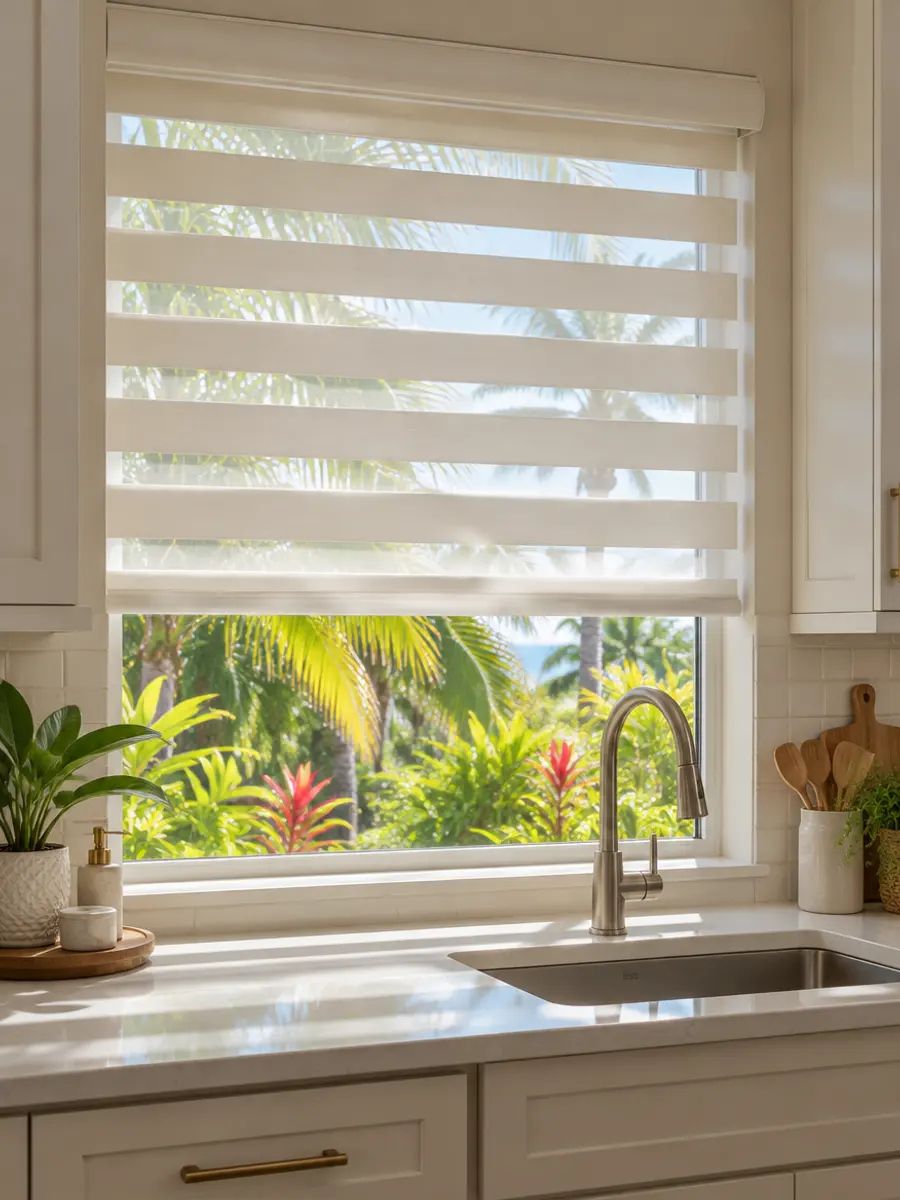
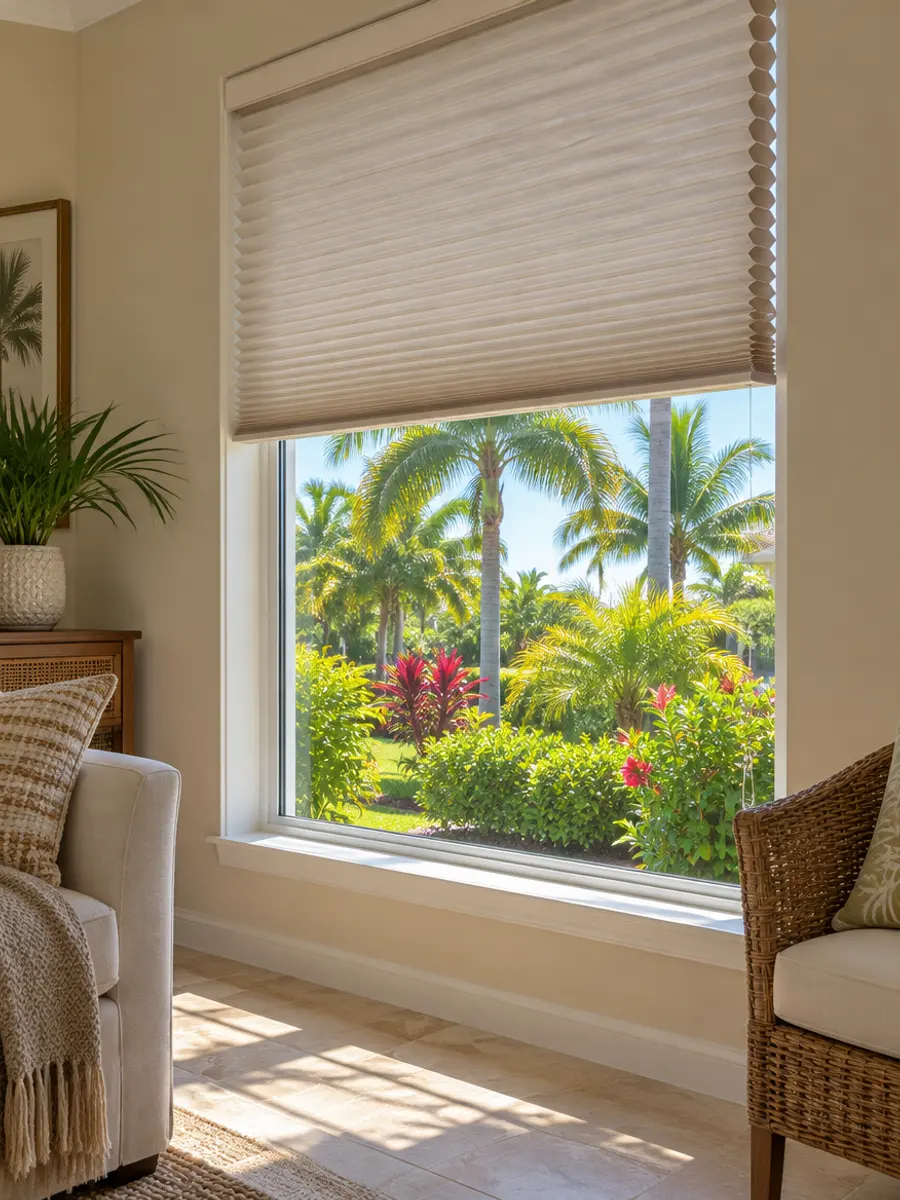
The closest alternative is a zebra shade, which is the same roller mechanism with striped fabric, so it switches between a view and privacy instead of asking you to pick a fabric that does one of them. If heat is the real complaint rather than light, a cellular shade does more at the glass than any roller fabric will.
In a bedroom, people often run a blackout roller behind drapery panels. The shade does the dark and the panels do the edges and the way the room feels, and together they close the thin line of light that an inside mounted shade always leaves down the sides.
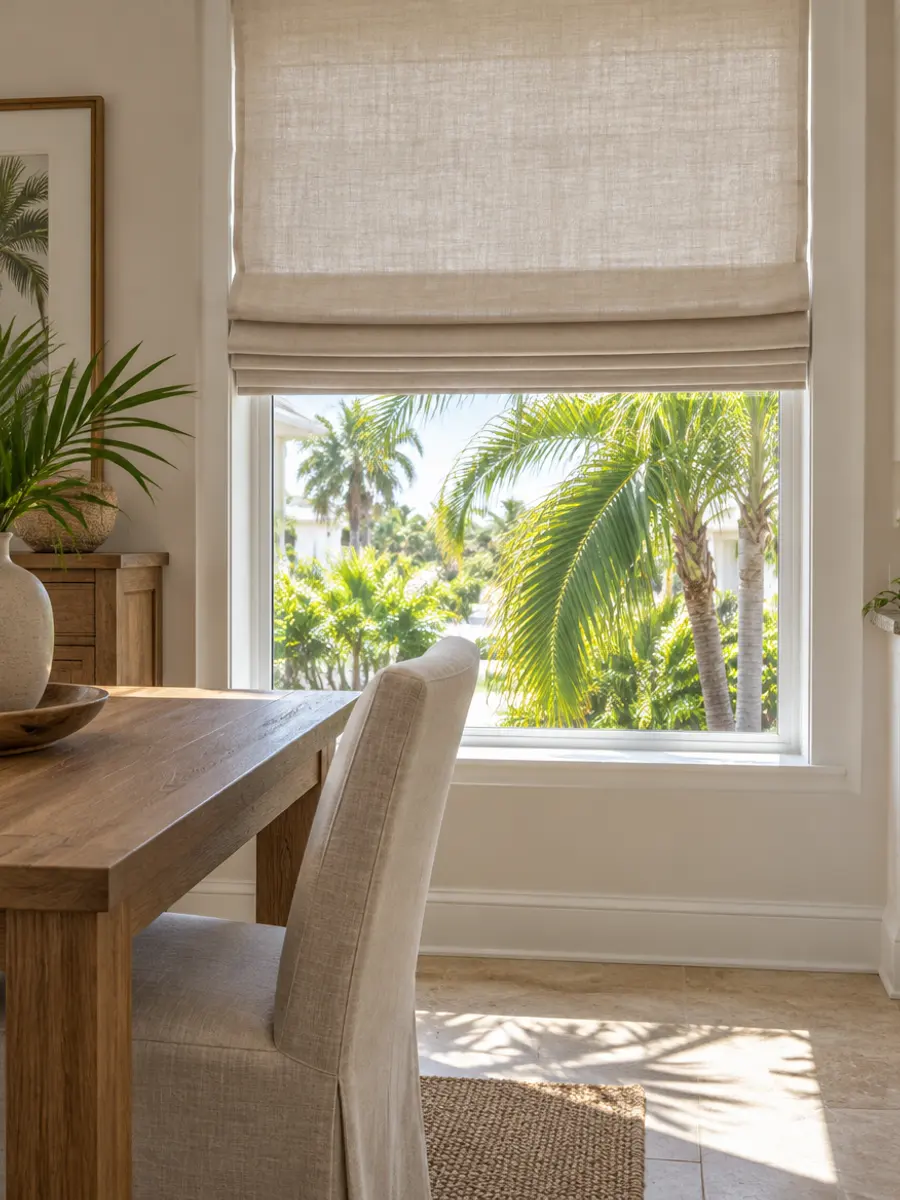
The rest of the shades we make are zebra shades , cellular shades , roman shades and solar shades , and we will bring samples of whichever ones suit the room.
Before you book
Questions about roller shades
Anything not answered here gets answered at the appointment, and it costs nothing to ask.
Will a blackout roller shade make the room completely dark?
The fabric will, but an inside mounted shade leaves a thin line of light down each side where the fabric is narrower than the opening. An outside mount, fitted to the wall and overlapping the frame, closes most of that. For a room that must be properly dark, add side channels or a blackout lined drapery panel.
What does openness mean on a solar fabric?
It is the share of the weave that is open space. A tight weave is nearly solid: most privacy, least view out. A looser weave keeps much more of the view and stops less of the sun. We hold a few against your own glass so you can see the difference.
Is a cassette worth the extra?
If the shade is in a room you care how it looks in, usually yes. It hides the rolled fabric and the hardware, and it is the single thing that stops a roller shade looking like something the builder put in. In a laundry room, save the money.
Can one roller shade cover a very wide window?
Up to a point. Past a certain width the tube starts to bow in the middle and the fabric tracks off to one side, and the exact limit depends on the fabric and the drop. On a wide opening we will usually fit two shades on one headrail so the line across the top stays straight.
Do they come down in a hurry if the cord slips?
Modern roller shades use a continuous loop chain or a spring mechanism rather than a cord that can slip, and a motorized shade removes the question entirely. We will show you how whichever one you choose actually operates before you commit to it.
I'd like to explore my options
Let's make your home feel complete. We will reach out and help you get started.