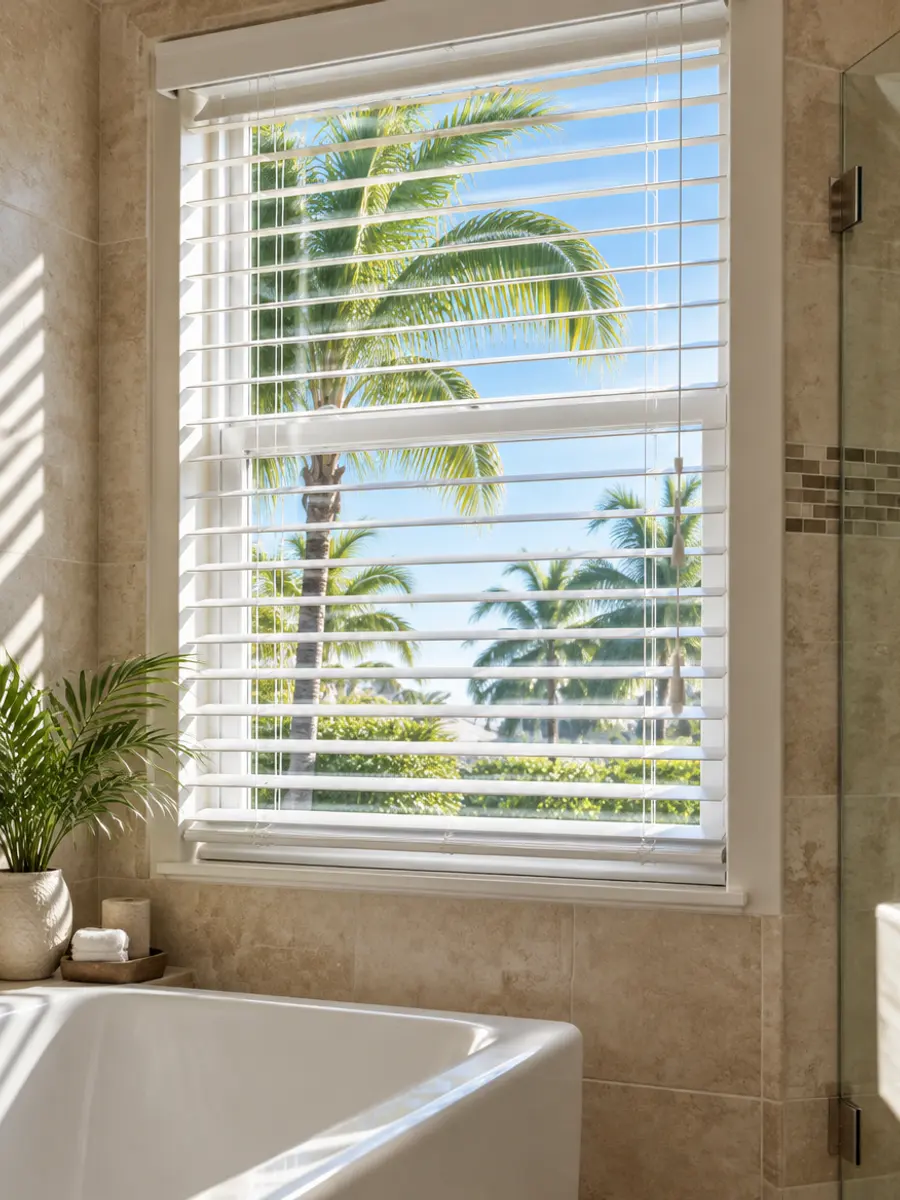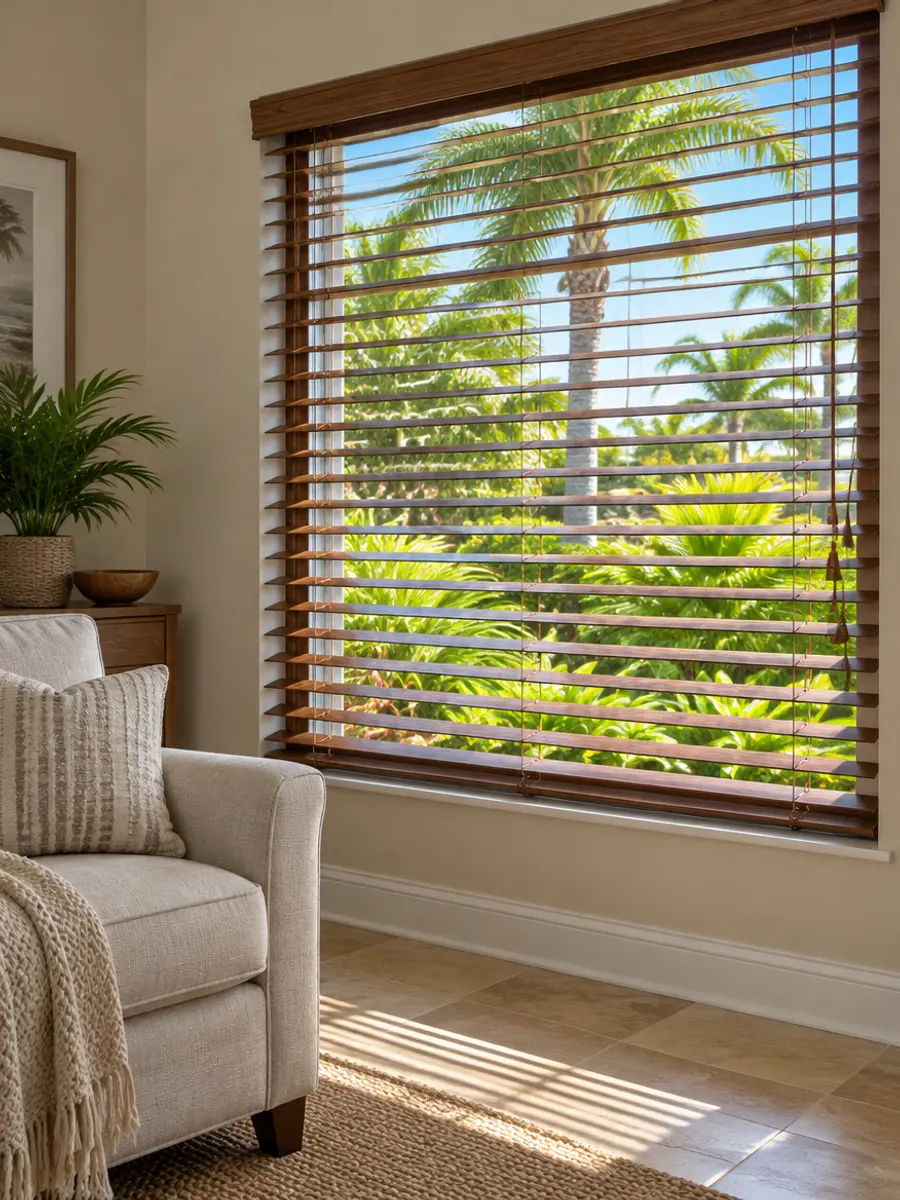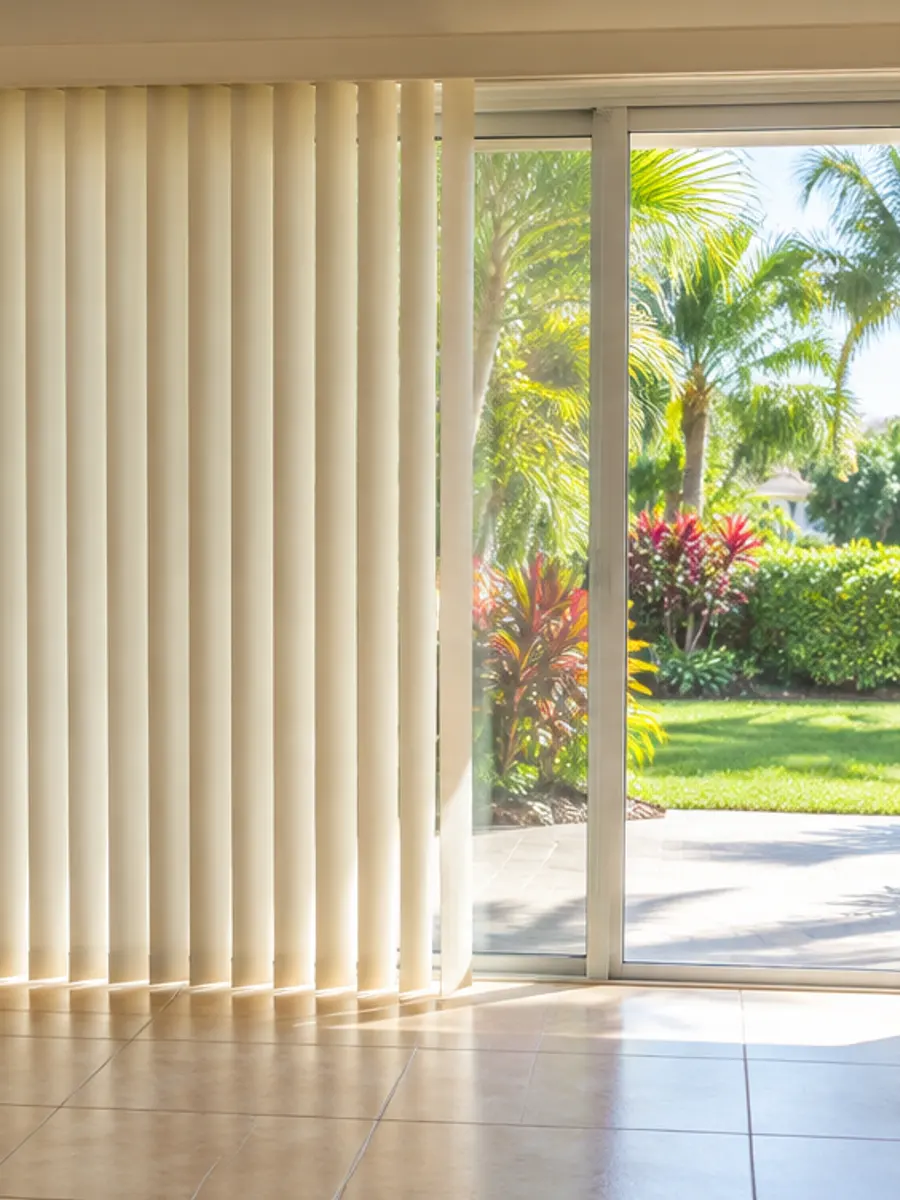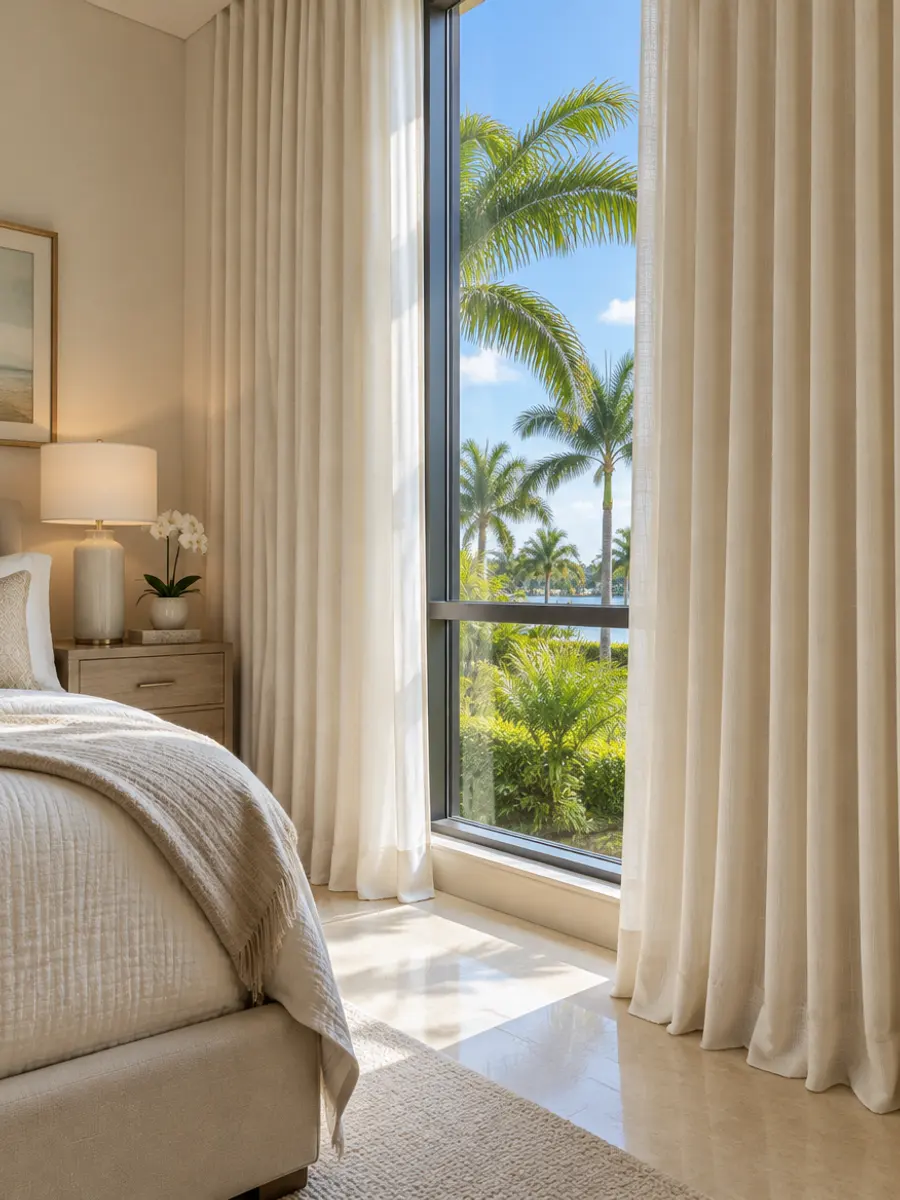
The shades we make
Start from what the room needs, because the five shades solve five different problems.
Choosing
Compare Them Side by Side
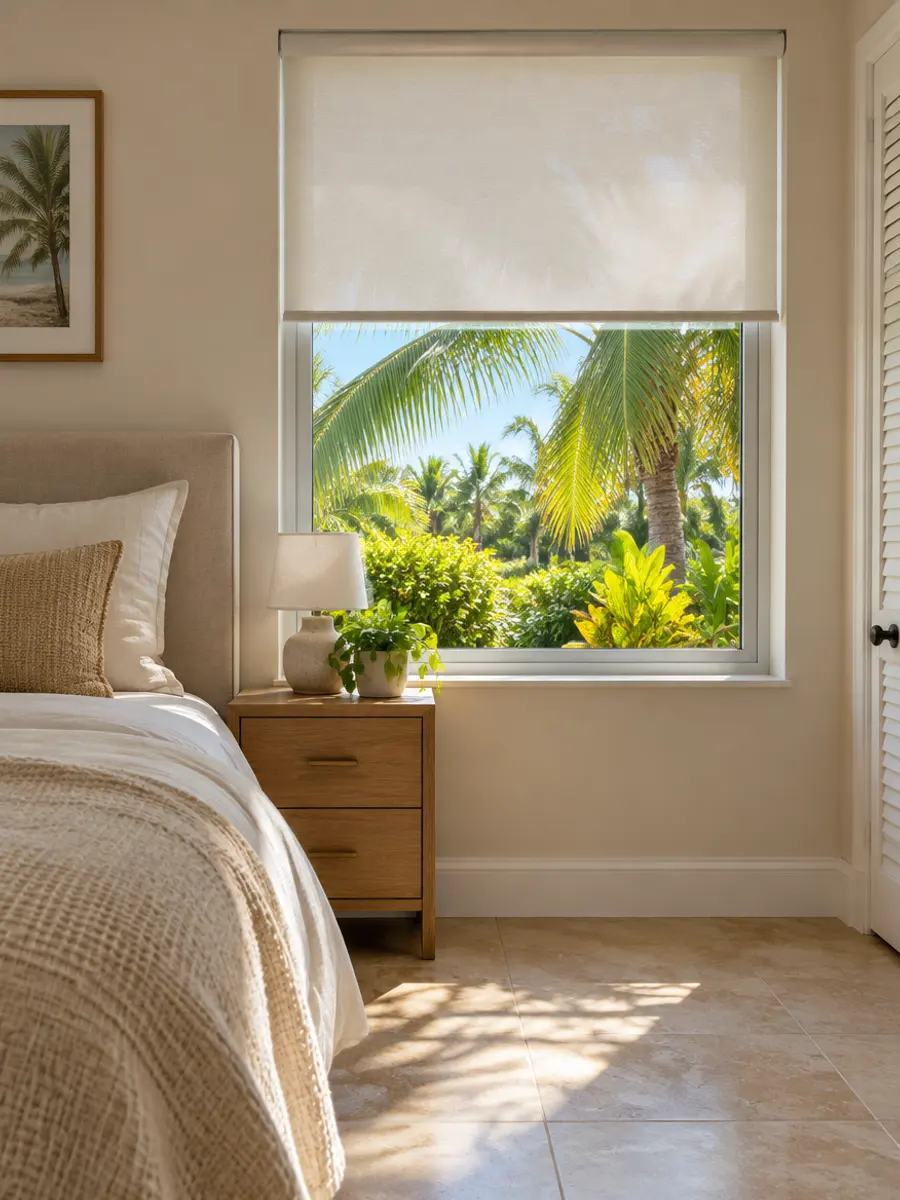
People usually arrive at this page wanting a look. The faster route is to name the problem first. A bedroom that gets light at six in the morning needs a blackout roller shade.
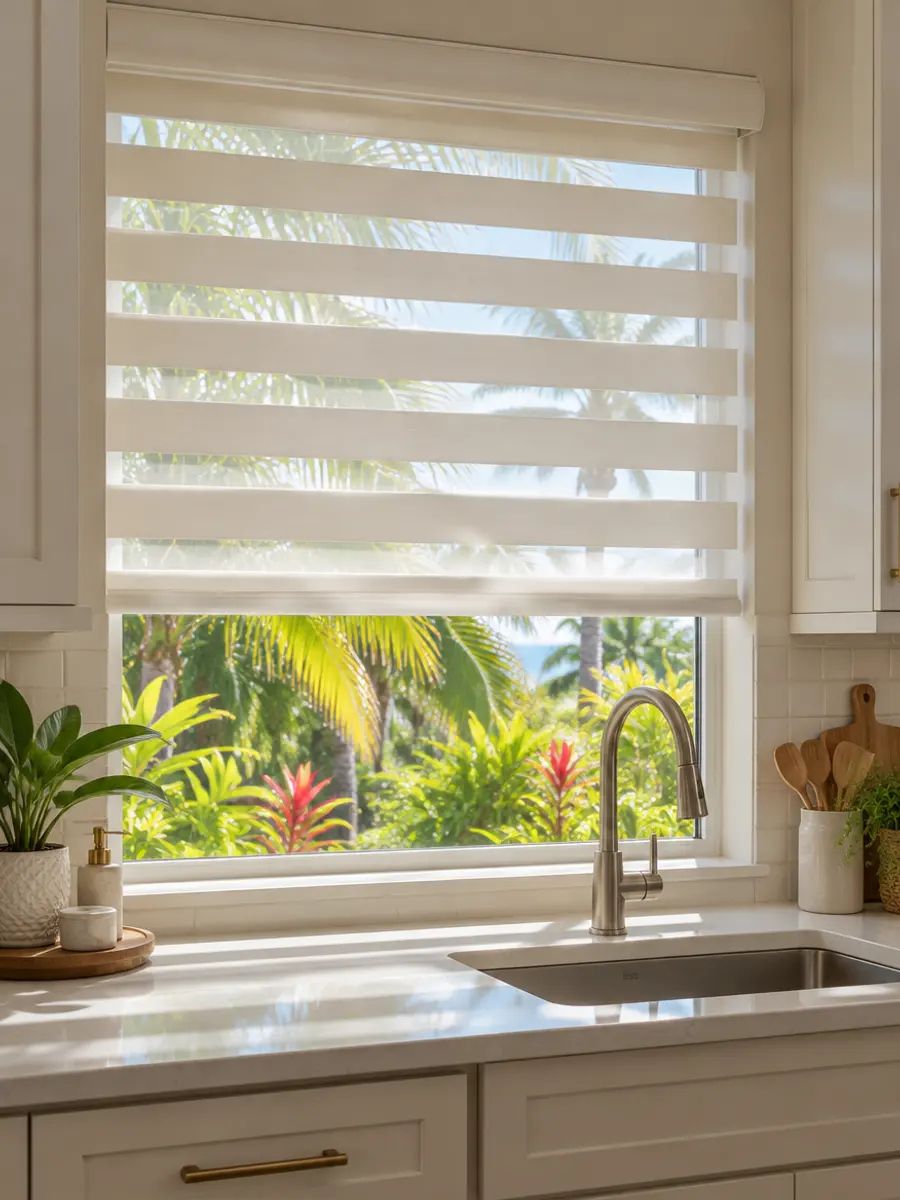
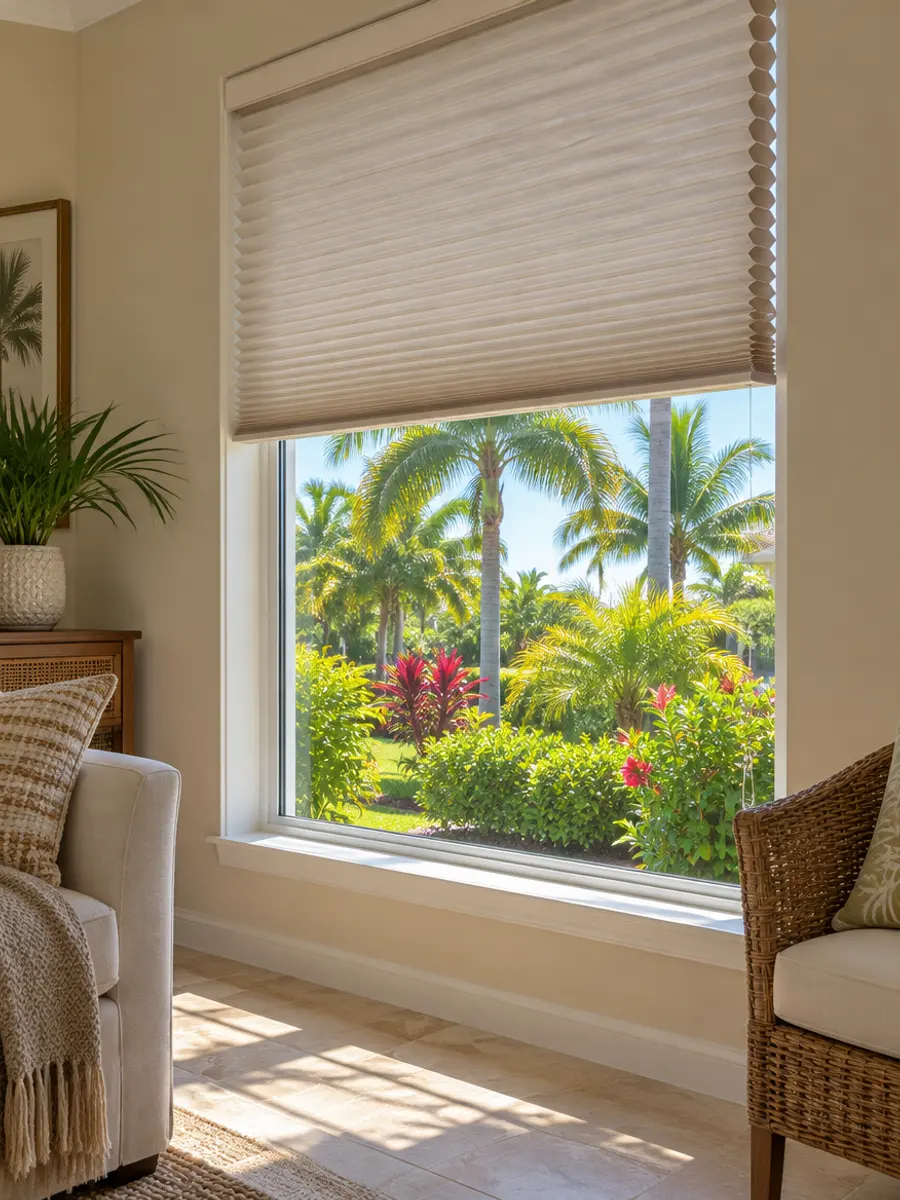
A living room facing a neighbor needs a zebra shade, because it switches between a view and privacy without a second treatment. A room that bakes in the afternoon needs cellular, because trapped air slows the heat.
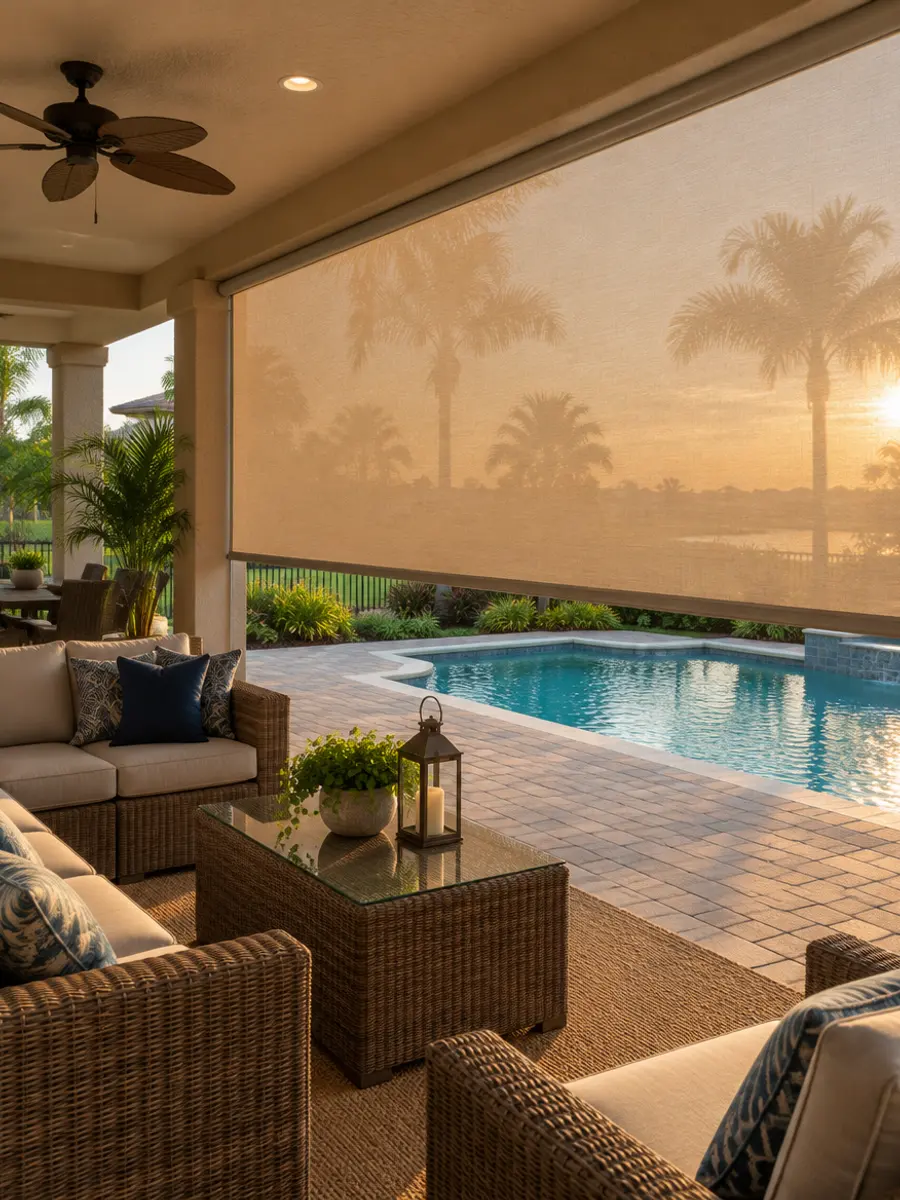
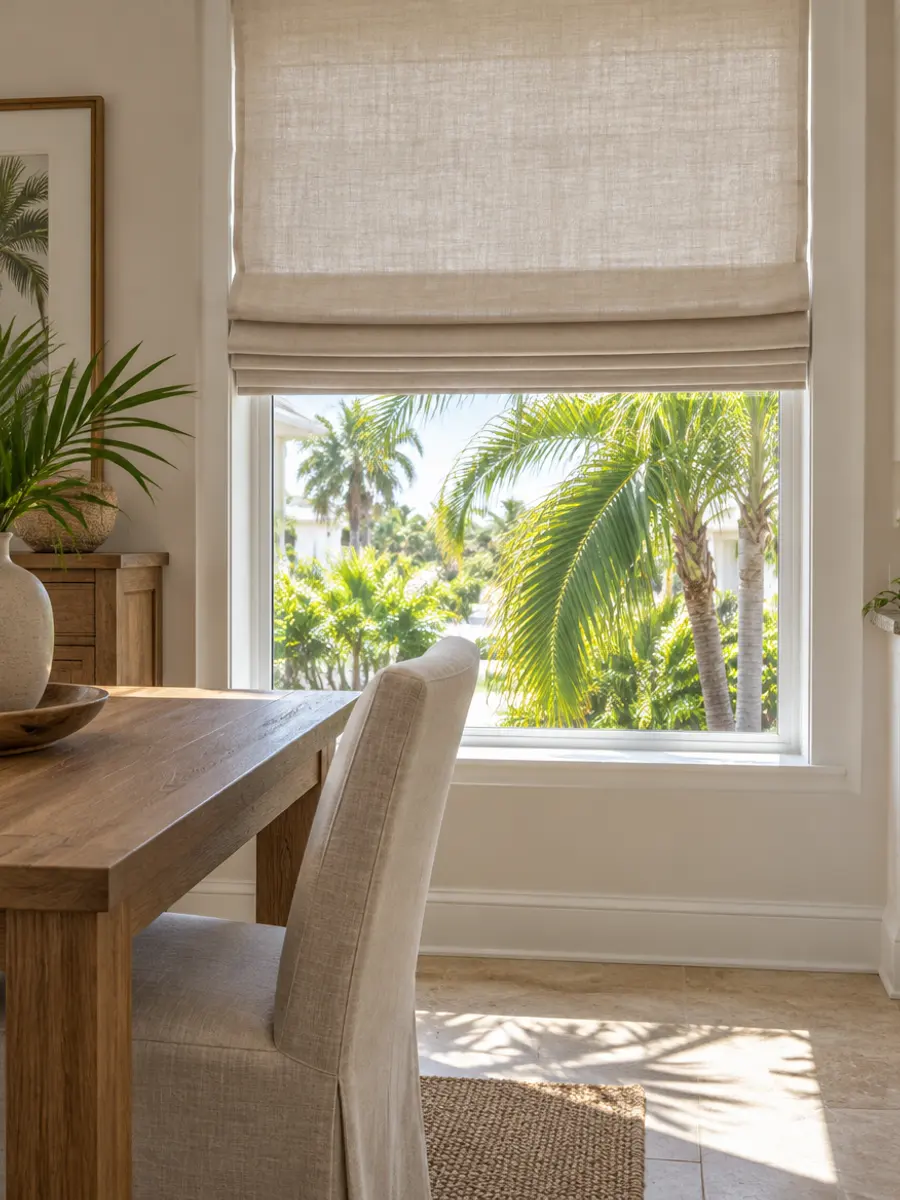
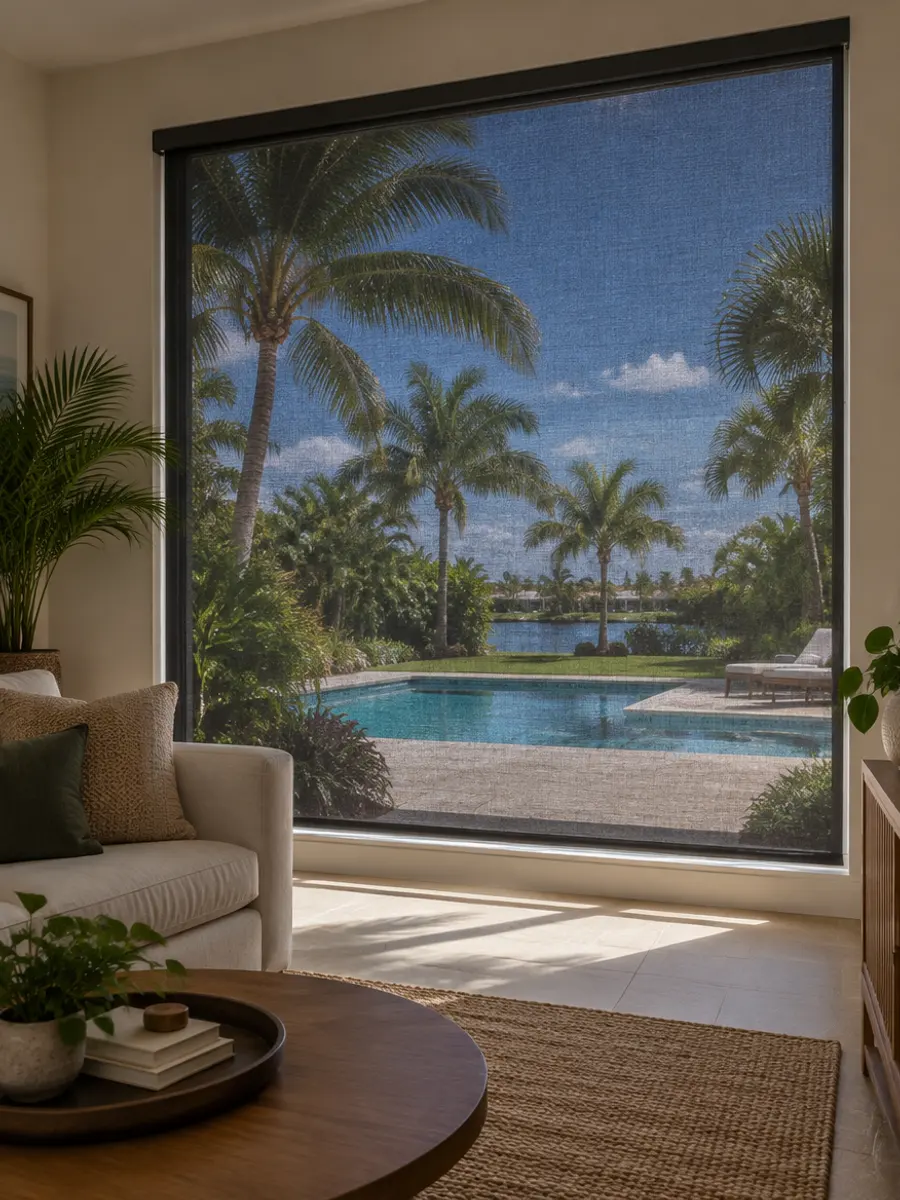
The last two are about feel more than function. A roman shade gathers into soft folds and looks like fabric rather than hardware, so it suits a dining room where everything else is soft. A solar shade is a tight mesh that cuts the glare and keeps the view, which is the right answer when there is something worth looking at.
| Feature | Light control | Privacy at night | Keeps the view |
|---|---|---|---|
| Roller | Any, down to full blackout | Yes, with the right fabric | No |
| Zebra | Switches in one move | Yes, solid bands aligned | Yes, sheer bands aligned |
| Cellular | Light filtering or blackout | Yes | No |
| Roman | Set by the lining | Yes, lined | No |
| Solar | Cuts glare, never dark | No | Yes |
Which One Is Right for Your Home
Pick a name to see what it does and how it looks in a room.
Roller shades
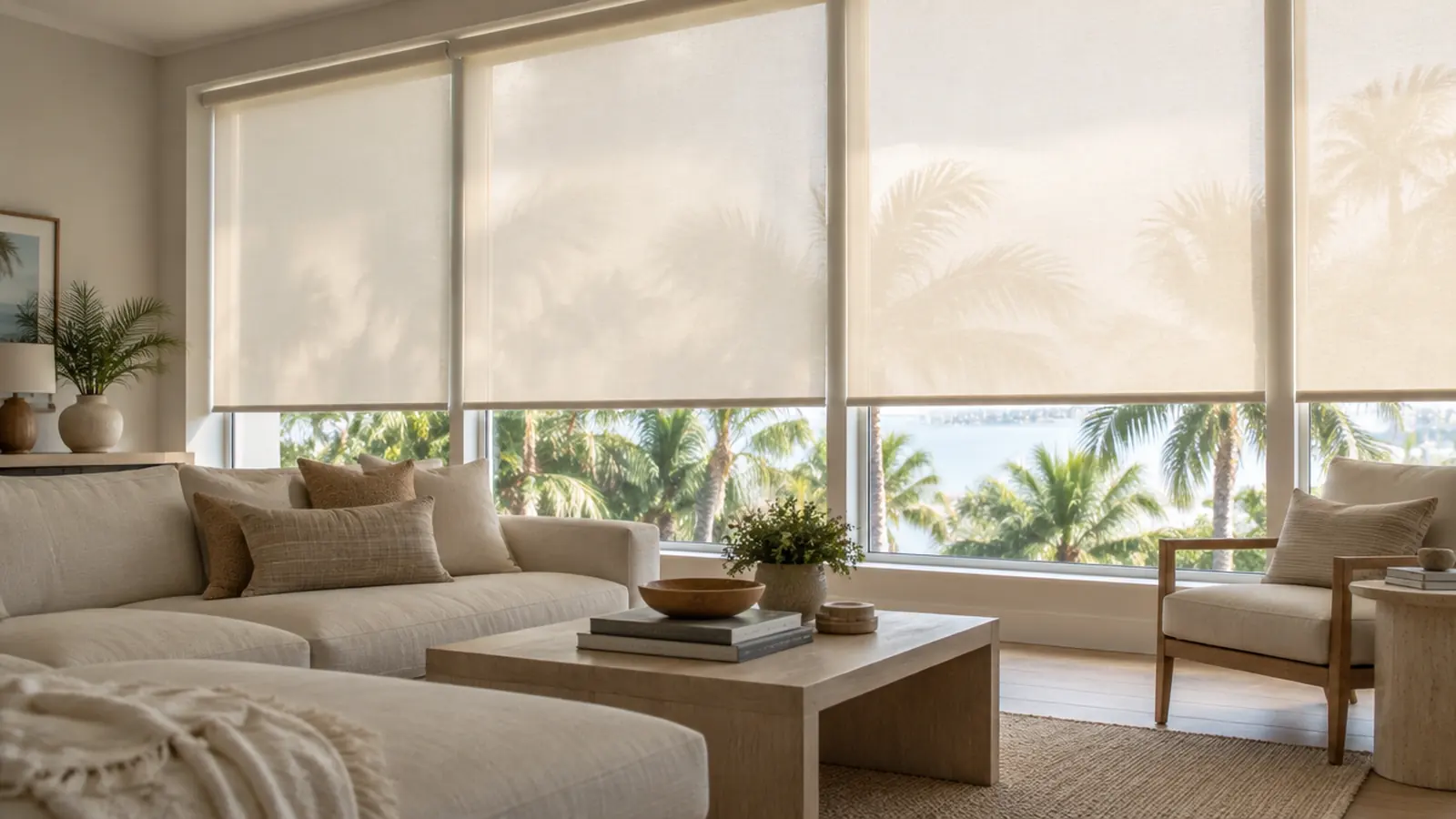
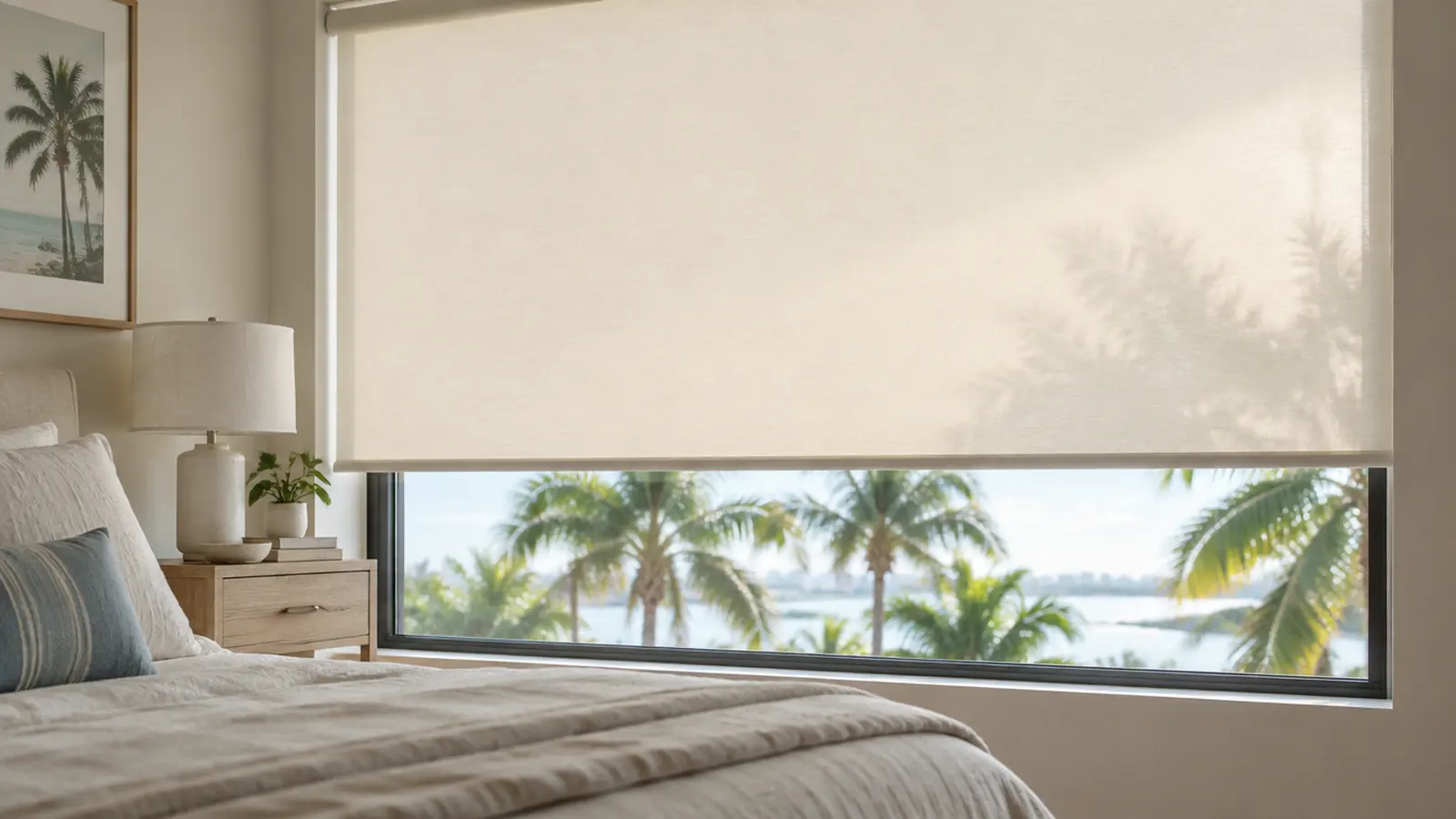
A roller shade is one piece of fabric that rolls up into a slim housing at the top. It is the cleanest line you can put on a window, which is why it suits a modern room and a window you do not want to notice. What it does depends entirely on the fabric you pick: blackout takes a bedroom dark, light filtering keeps the room bright while people outside cannot see in, and a solar fabric cuts glare and heat while you keep the view. We bring all three to the appointment so you can hold them against your own glass.
See roller shades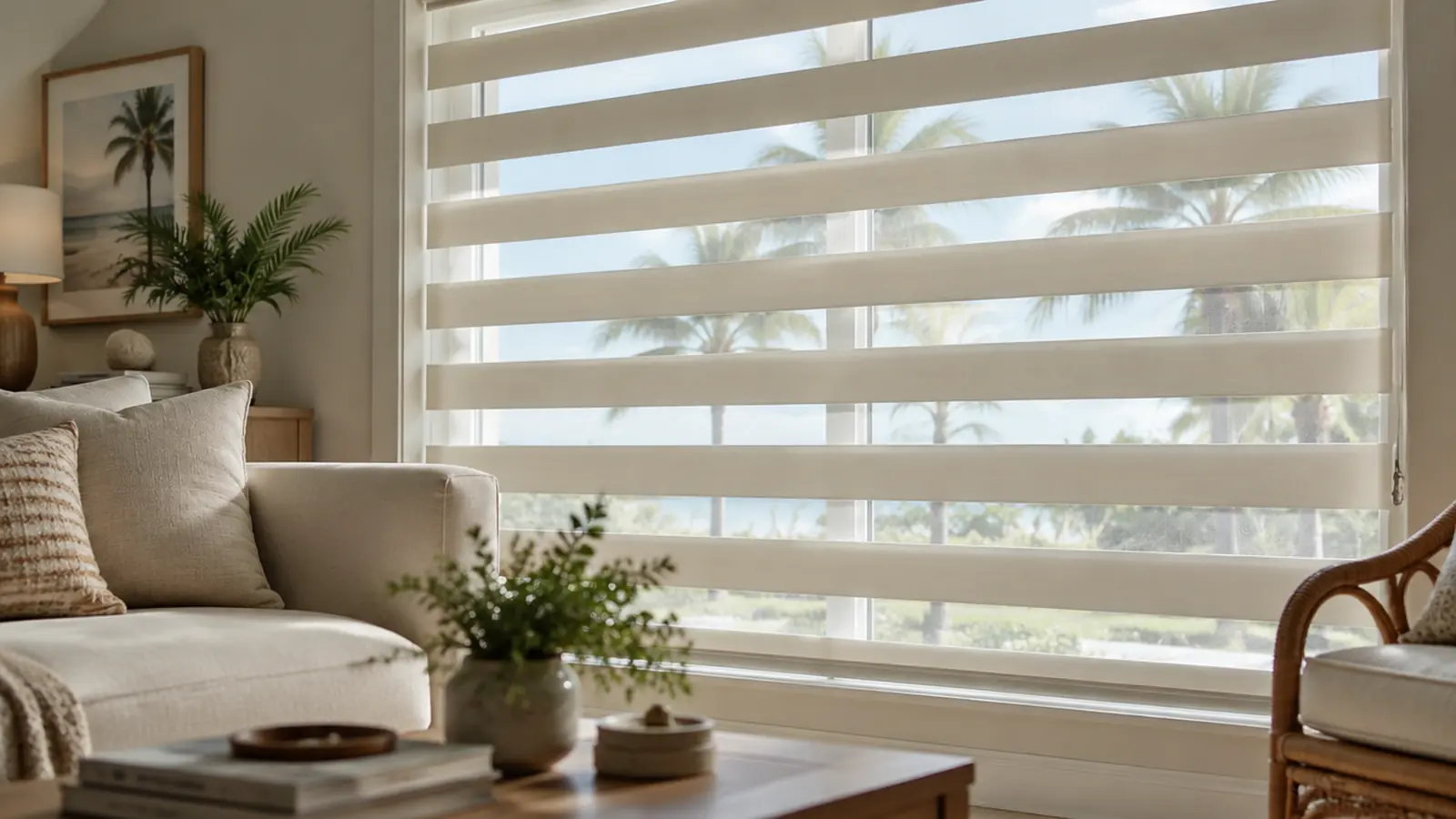
Zebra shades
A zebra shade is one piece of fabric with stripes that alternate sheer and solid. Lining the sheer stripes up gives you a view and daylight. Moving the shade half a stripe lines the solid bands up instead, and the room closes off without the window going dark. People also call these dual shades or banded shades, and they are the shade most of our customers end up choosing, because it does two jobs on one roller instead of asking you to hang two things.
See zebra shades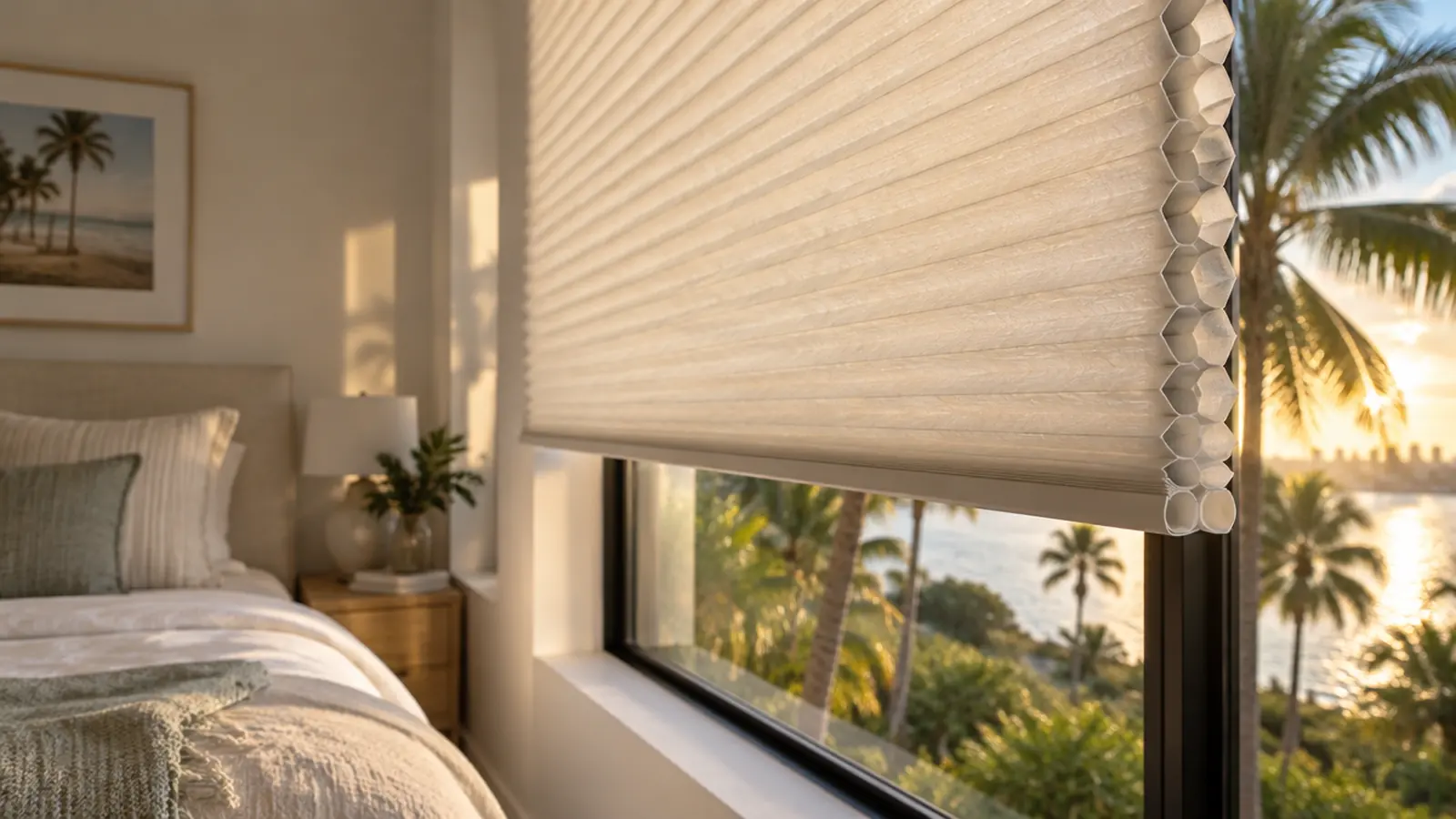
Cellular shades
A cellular shade folds into rows of pockets, and from the side those pockets look like a honeycomb, which is the other name for them. Each pocket holds still air, and still air is what slows heat down. On a window that gets hard afternoon sun, that pocket is the difference between a room the air conditioning keeps up with and a room it does not. They fold up very small, so the top of the window stays mostly clear. Double cell holds more heat back than single cell.
See cellular shades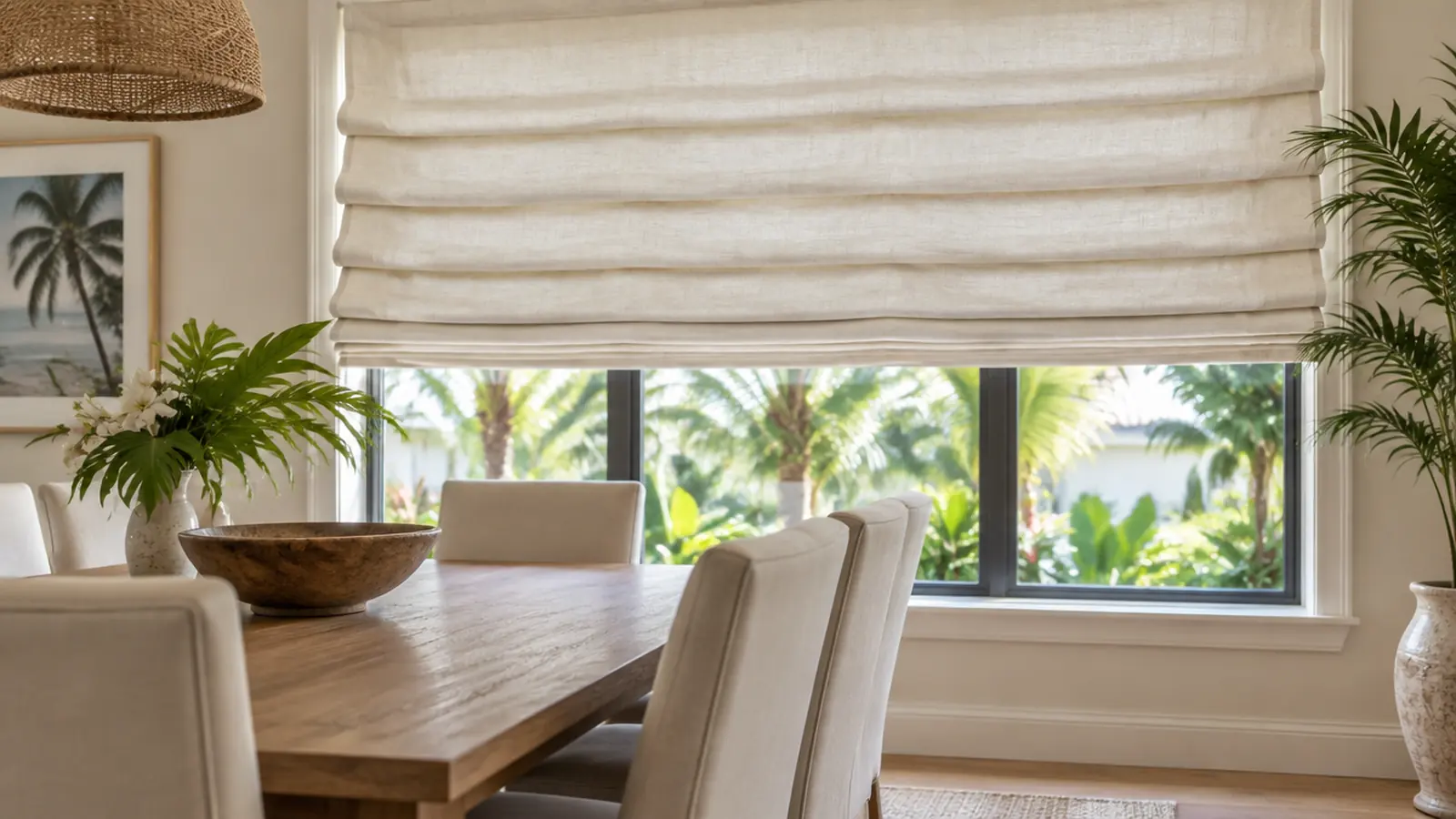
Roman shades
A roman shade is fabric that gathers into folds as it lifts, so you get the softness of a curtain in something that sits inside the window. It looks like part of the furnishing rather than a piece of hardware, which is why it suits a dining room or a bedroom where everything else is soft. Flat fold goes up in clean horizontal bands. Hobbled fold keeps a gentle swag in the fabric even when the shade is all the way down, so the window looks dressed at every height.
See roman shades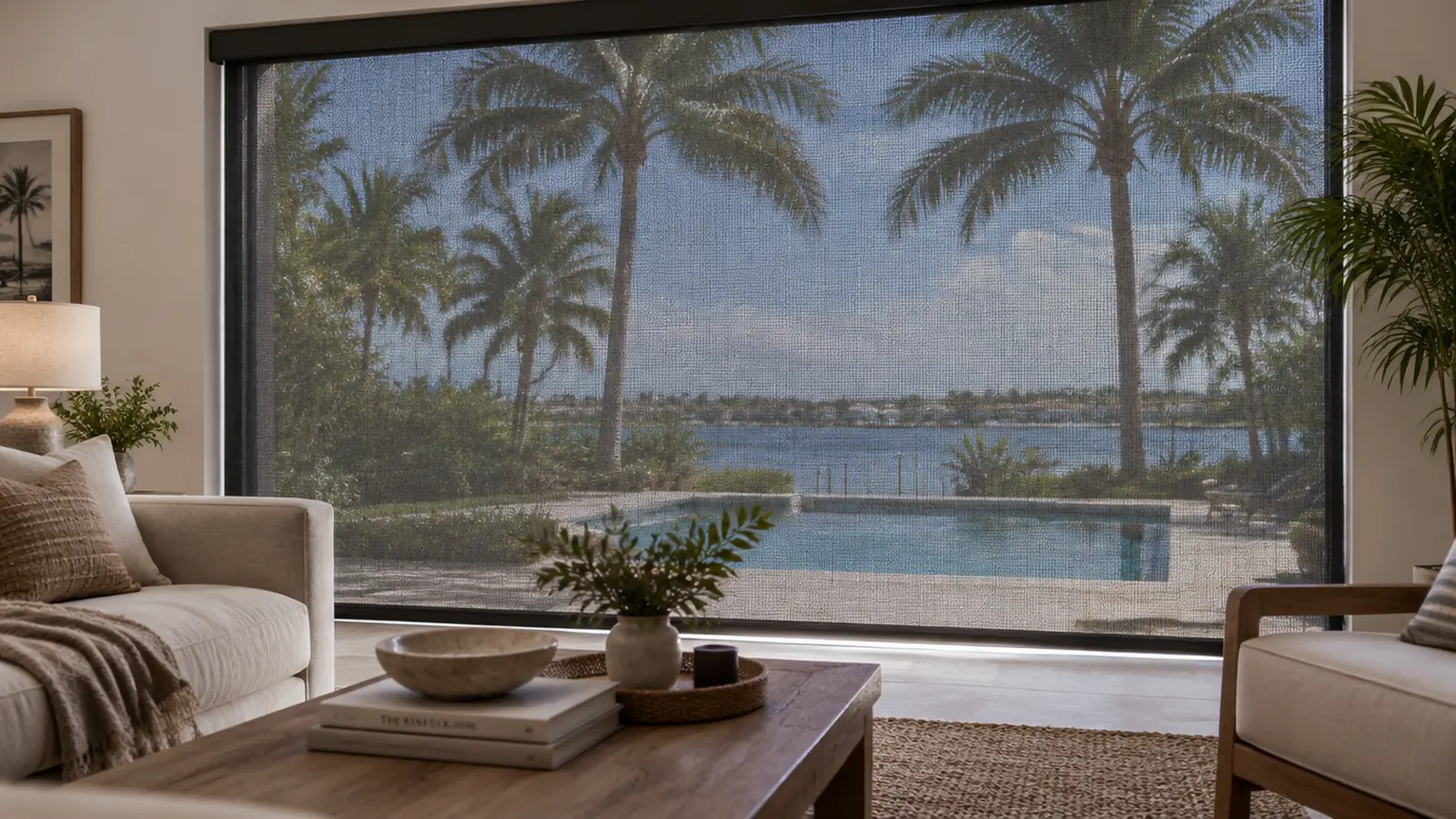
Solar shades
A solar shade is a tight mesh. You still see out through it, the way you see through a screen door, but it stops a large share of the sun and takes the glare off a television or a laptop. The number to ask about is openness, which is how much of the weave is open space: a tighter weave gives you more privacy and a looser one keeps more of the view. These are also called sheer shades. At night the effect reverses and people can see in, so a bedroom usually wants something else as well.
See solar shadesFitting
Inside mount, outside mount, and why we measure three times
An inside mount sits within the opening, which looks neater and leaves the frame visible. It needs enough depth for the rolled fabric to turn without touching the glass. Impact windows, which most newer buildings here have, sit in a thicker frame and often leave less depth than people expect, so this is measured rather than assumed.
An outside mount is fitted to the wall above the opening. It covers the frame, blocks more light down the sides, and it is the fix when the opening is too shallow or too far out of square to take an inside mount cleanly.
We measure every opening at three heights and three widths and cut to the smallest, because almost no window is a perfect rectangle, and a shade cut to one number leaves a visible gap at the end that is wider.
Where we fit them
Measured and installed across South Florida
Every shades on this page is made to one set of windows: yours.
I'd like to get startedAt your windows
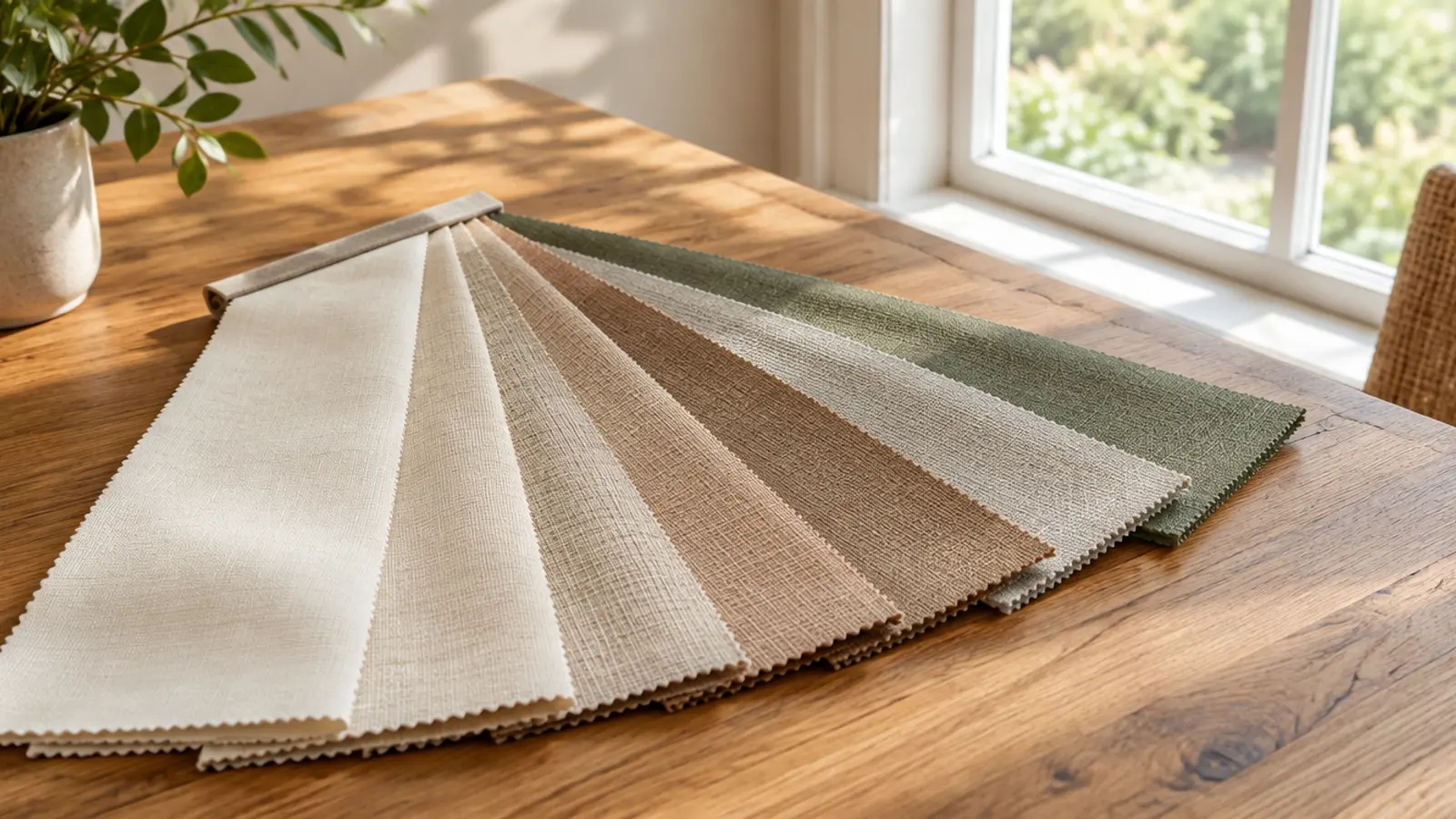
We bring samples of every shades on this page to your home and hold them against your own glass, so you can see how each one looks in the room it is going into before you choose. Everything is then cut to your own openings, which is why it sits flush in the frame.
Fitted in less than 30 days
Most installations finish in less than 30 days after you order, fitted by our own experienced installers. The visit costs nothing, and by the end of it you will know exactly what your rooms are going to look like and what it costs.
Before you book
Questions about shades
We measure and install shades across Broward , Miami-Dade and Palm Beach .
Which shade is best for a bedroom?
A blackout roller shade, or a cellular shade with a blackout lining if the room also runs hot. Both still leave a thin line of light down the sides on an inside mount, so if you need it properly dark, ask for an outside mount or add a blackout lined drapery panel over the top.
Are zebra shades and dual shades the same thing?
Yes. Zebra, dual and banded all describe the same shade: one piece of fabric with stripes that alternate sheer and solid, so moving it half a stripe switches the window between a view and privacy.
Do solar shades give privacy?
During the day, partly, and at night, no. A solar shade works because it is darker outside the mesh than inside it. Once your lights are on after dark that reverses, and the room becomes visible from outside. In a bedroom or a ground floor room facing the street, people pair a solar shade with something solid.
What is the difference between light filtering and blackout?
Light filtering fabric lets daylight through while stopping anyone seeing shapes in the room, so the room stays bright and private. Blackout fabric stops the light itself. The fabric is the only thing that changes; the shade and the hardware are identical.
I'd like to explore my options
Let's make your home feel complete. We will reach out and help you get started.