Floor to ceiling glass in a tower
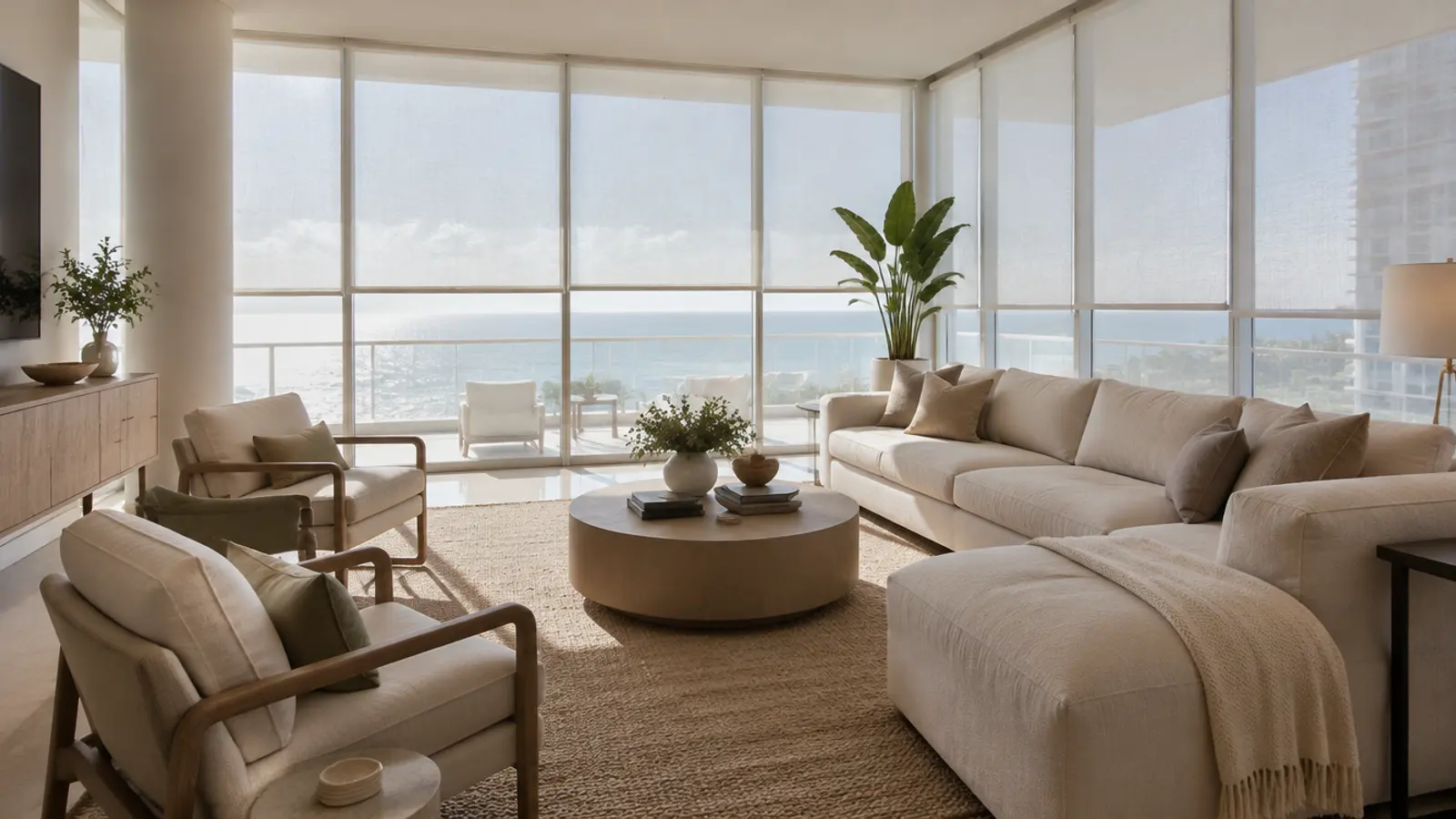
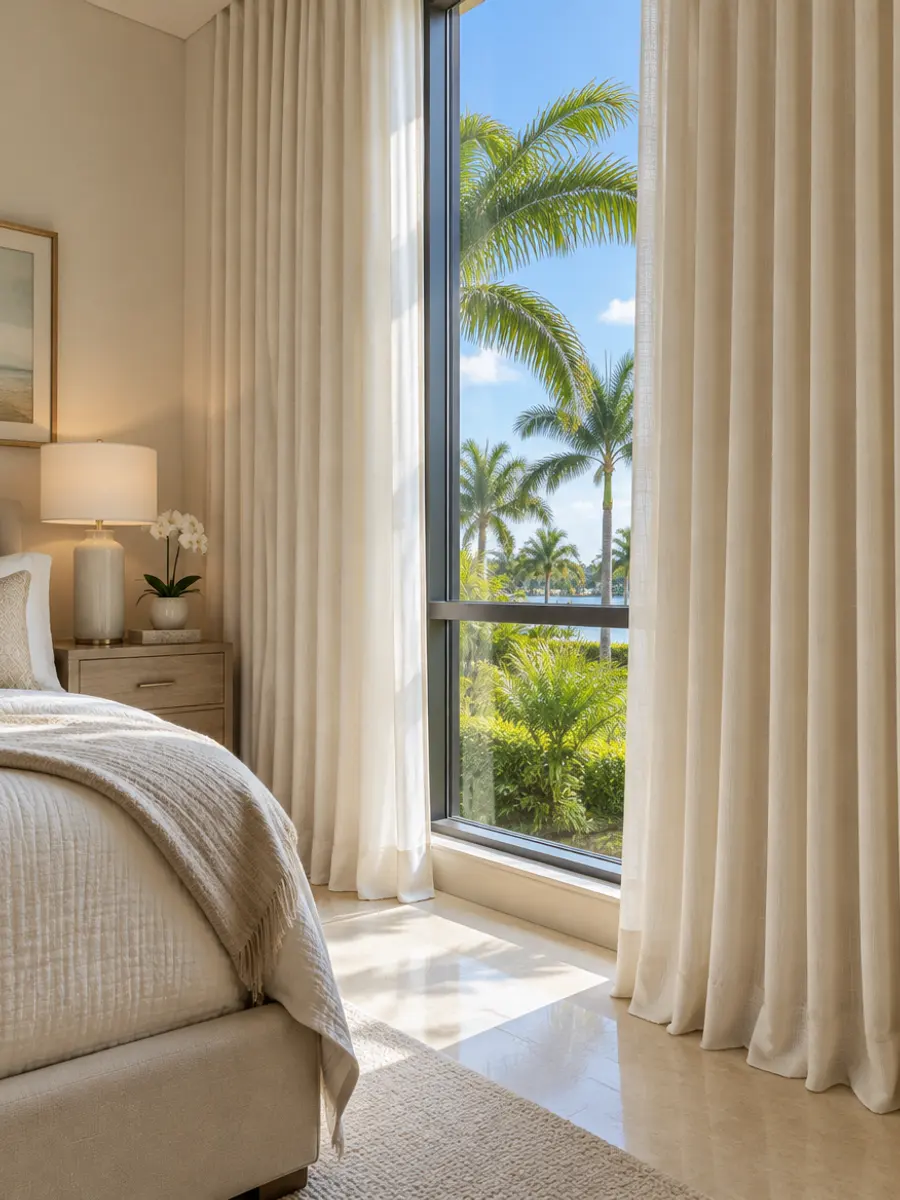
A nine-foot window needs a motor, because nothing you pull by hand works well at that height.
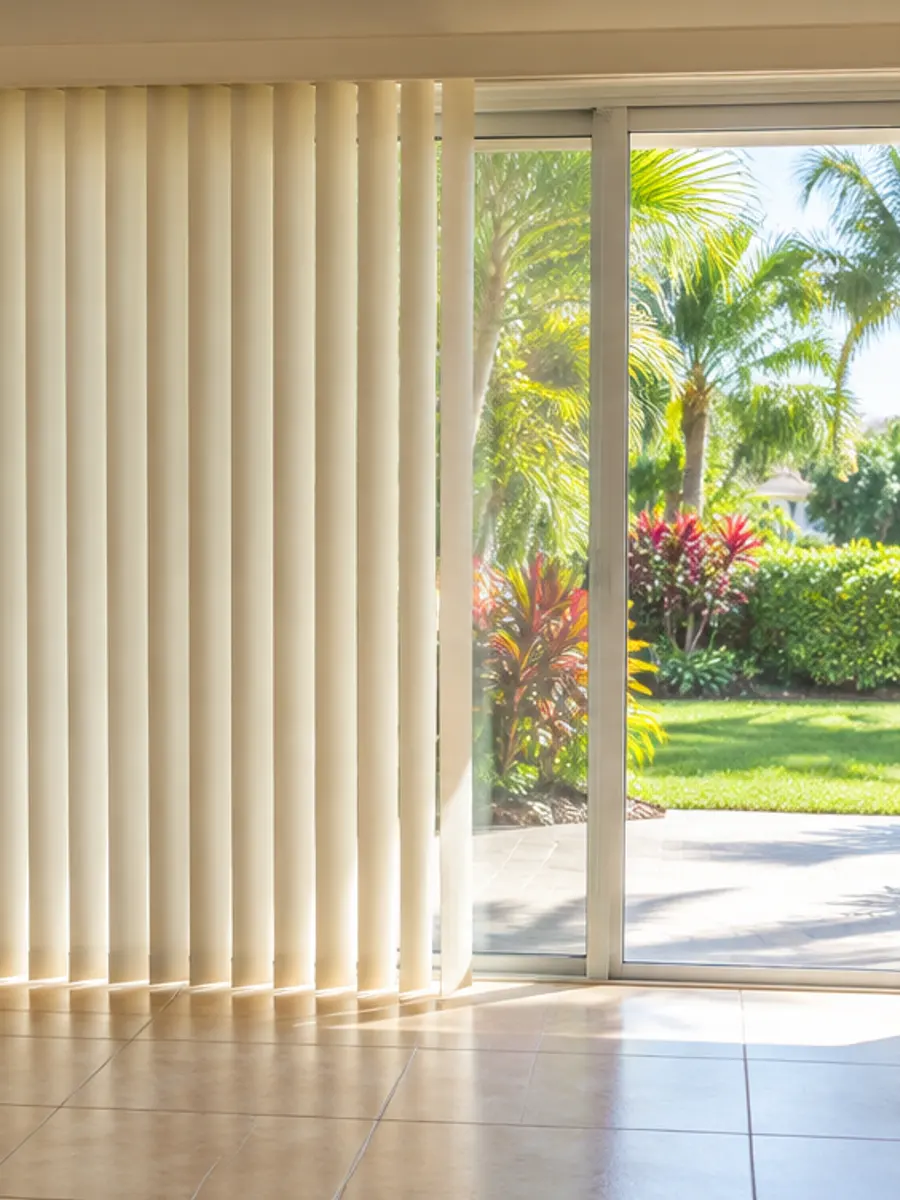
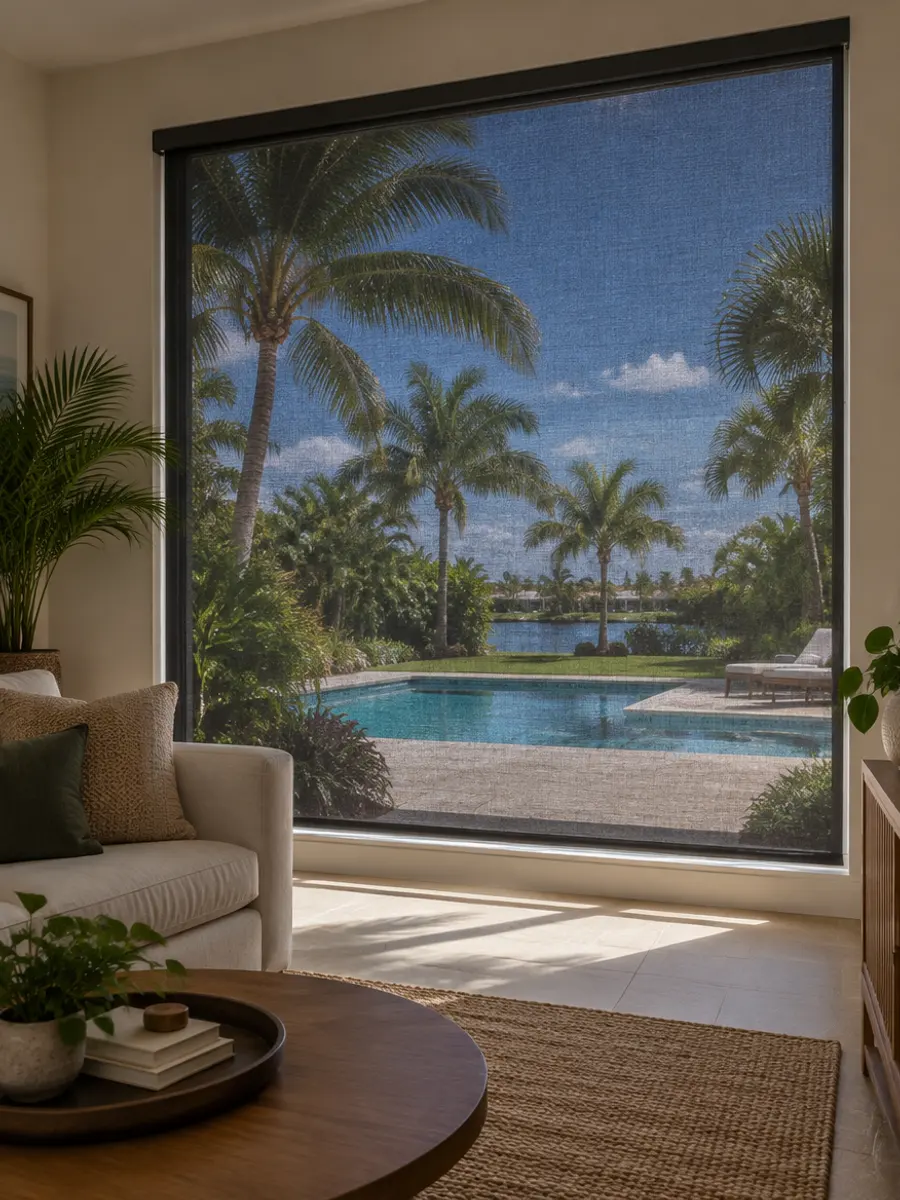
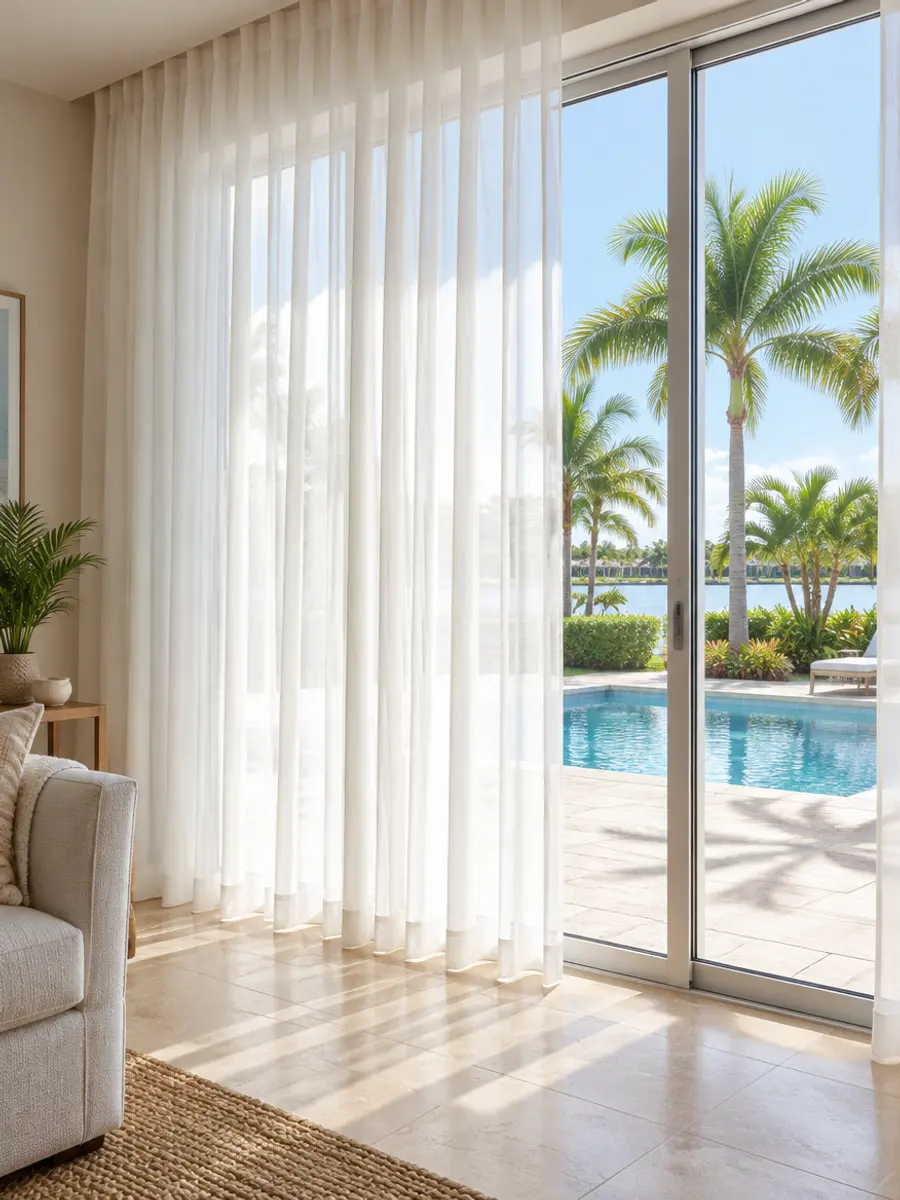
Brickell, Edgewater, Sunny Isles Beach and Aventura are full of units where the glass runs from the floor to the ceiling in one sheet.
A cord long enough to reach the bottom of that is long enough to be in the way, and it will be pulled at an angle most of the time, which is what wears a mechanism out. This is the clearest case for motorization anywhere in the three counties, and it is usually the first thing we recommend in a tower.
Impact windows and a shallower reveal
Impact glass sits in a deeper frame, so there is often less room inside the opening than people expect.
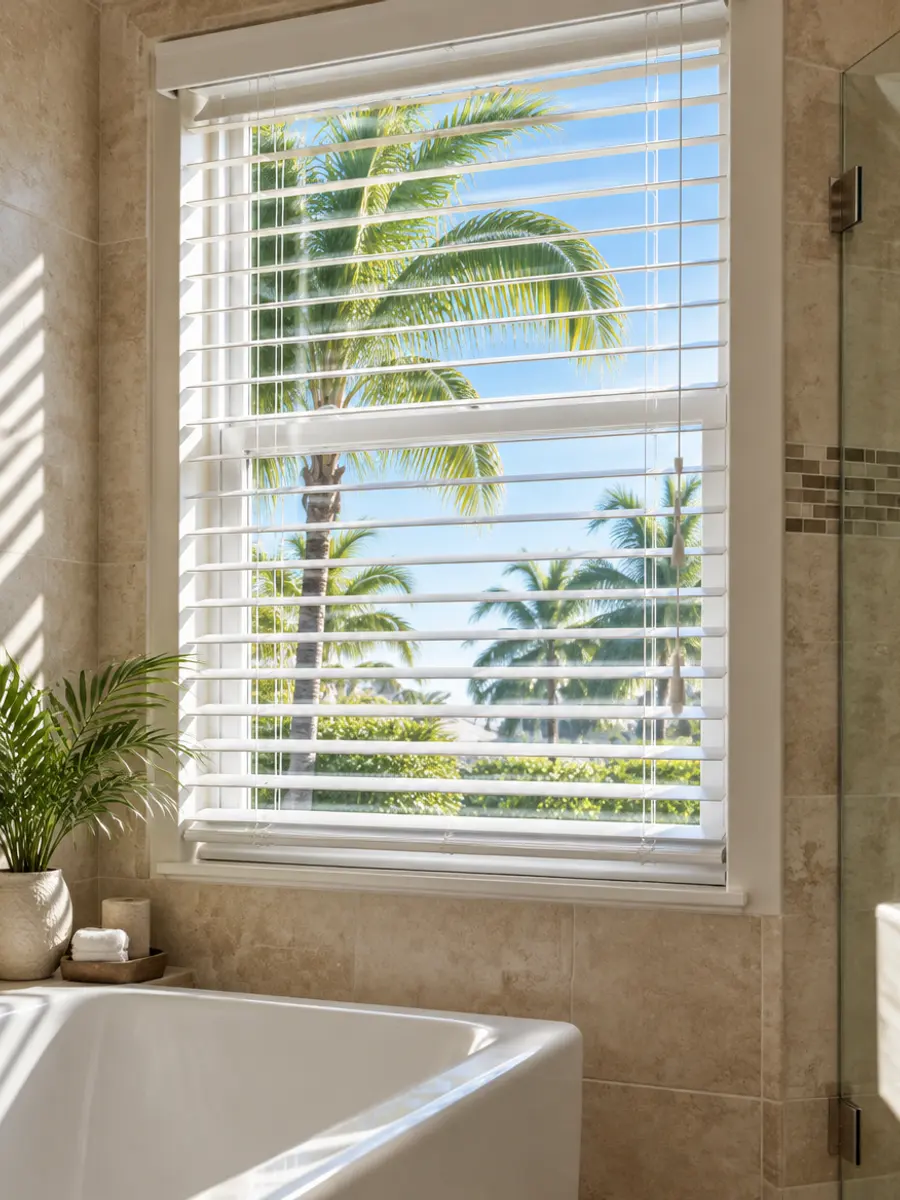
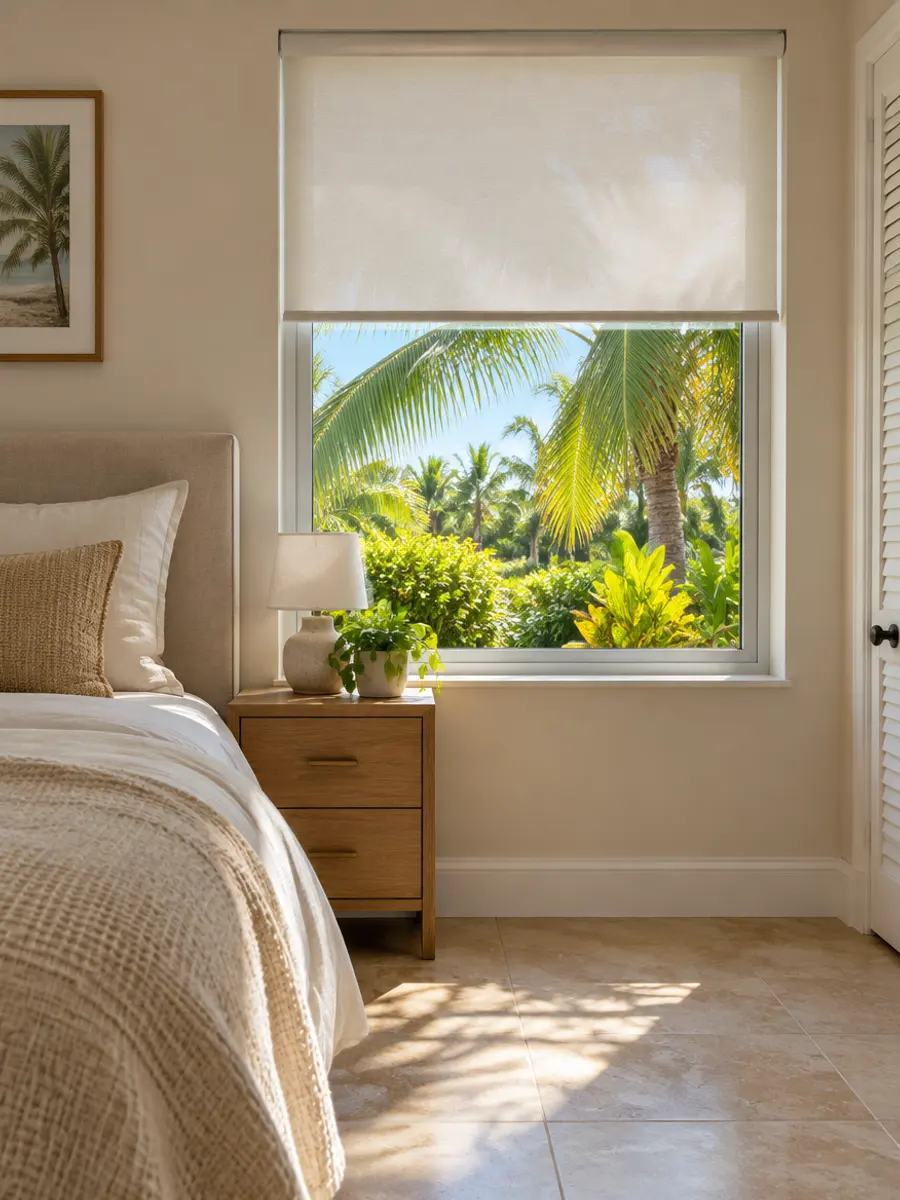
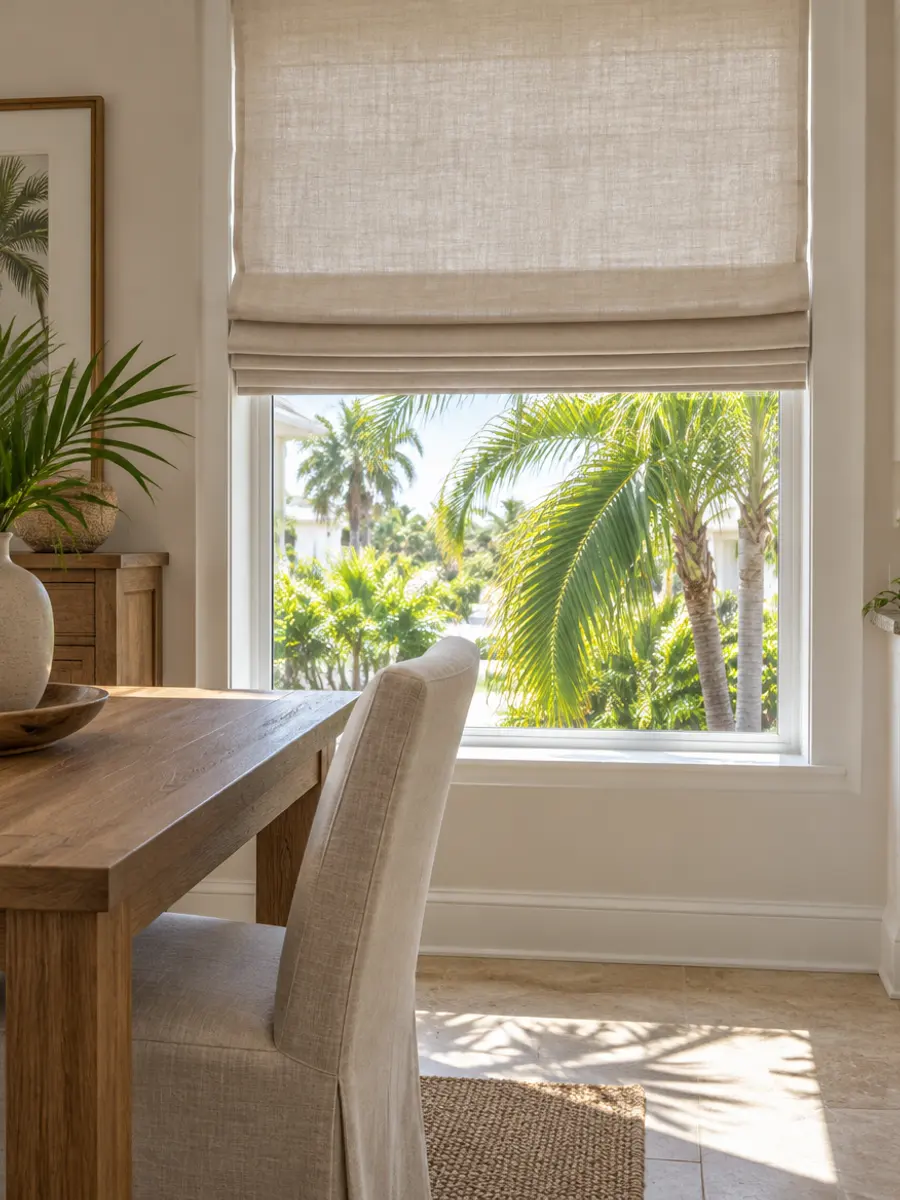
Most newer buildings here and many renovated older houses have impact-rated windows. The frame on those is thicker than on the single pane it replaced, which leaves a shallower reveal, the recess between the glass and the face of the wall. Sometimes a shade will not sit inside it without the fabric touching the glass.
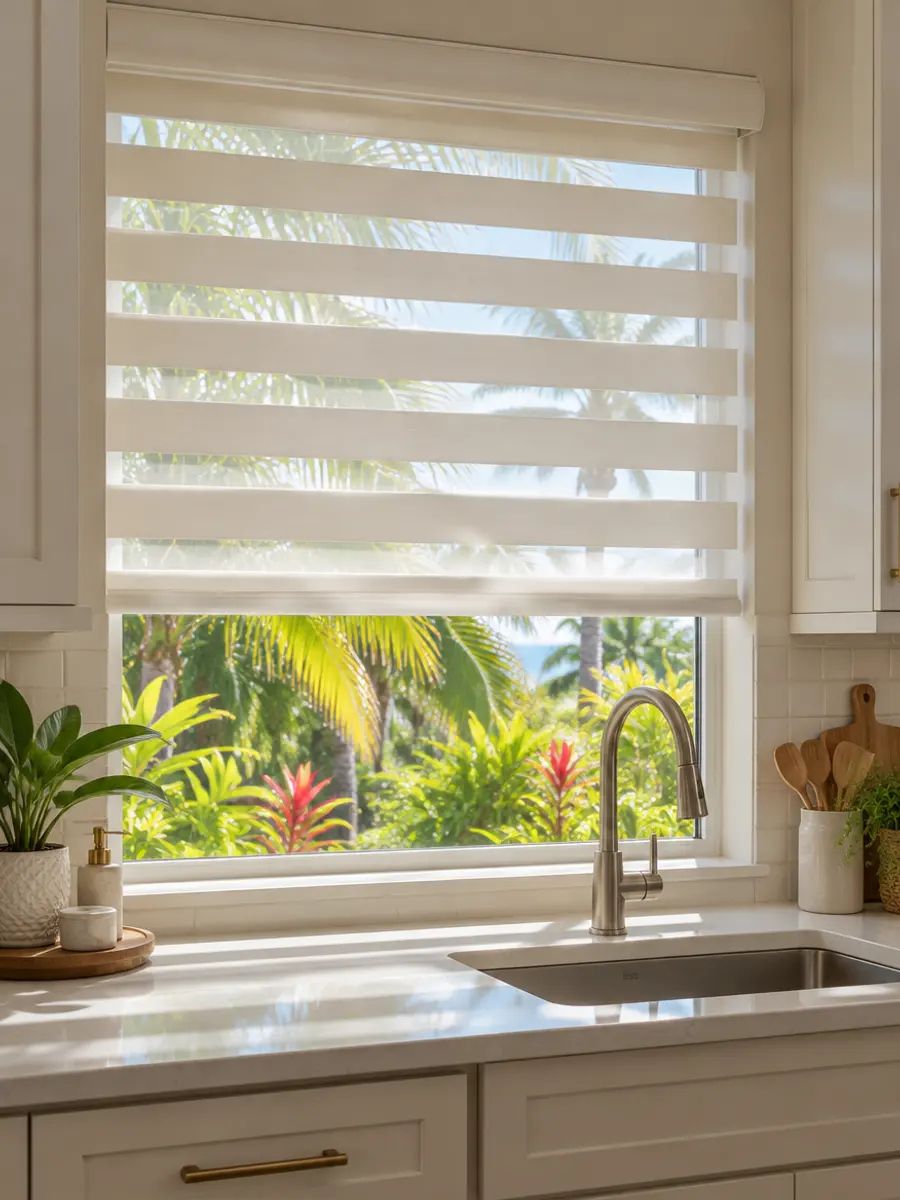
The fix is either an outside mount, where the shade is fitted to the wall in front of the opening, or a slimmer headrail. It is measurable in a minute at the appointment and it is not something you can judge from a photograph.
Older houses in the Grove and the Gables
Coral Gables and Coconut Grove have openings that are rarely square, and often not standard.
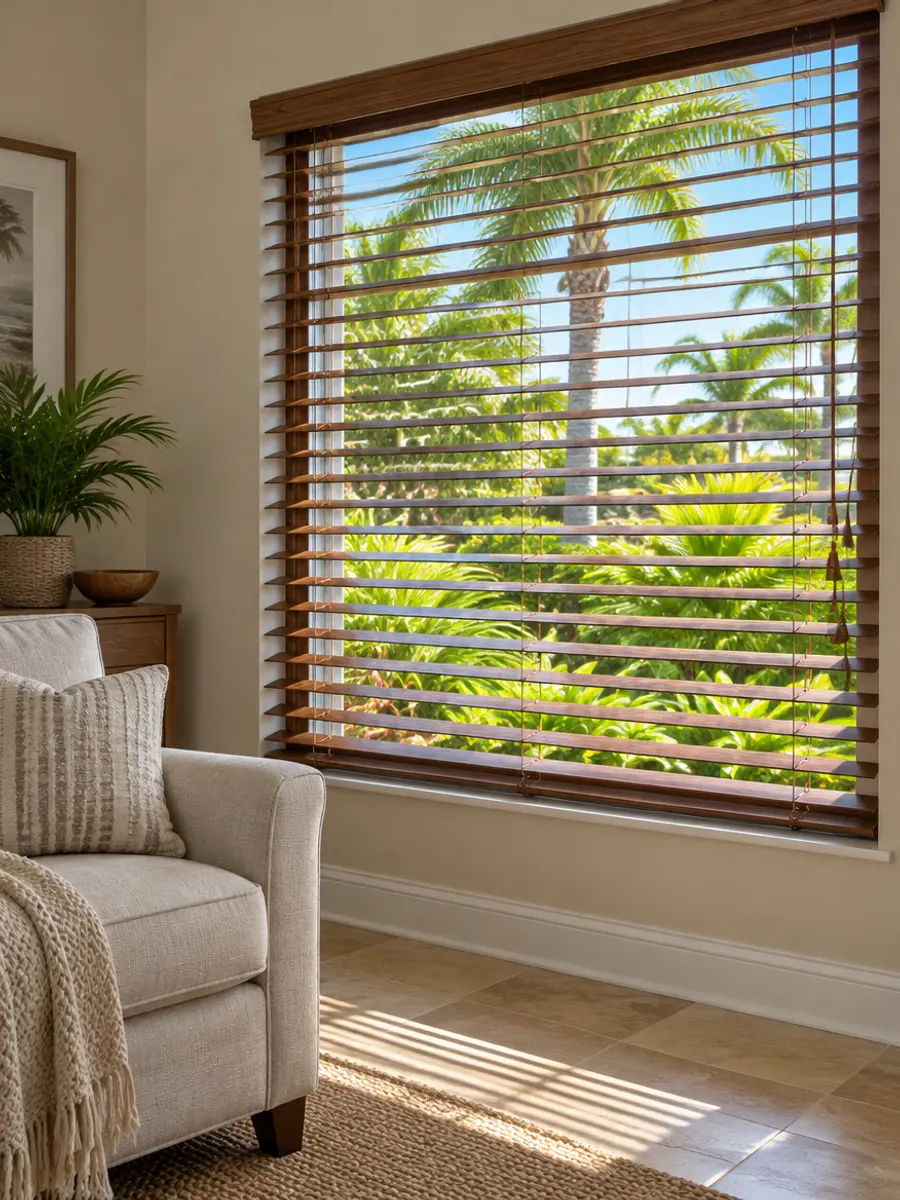
A 1920s or 1930s house settles. By now the opening is usually a little wider at one end than the other, sometimes by half an inch, which is more than enough to leave a visible gap at the top if the shade is cut to a single number.
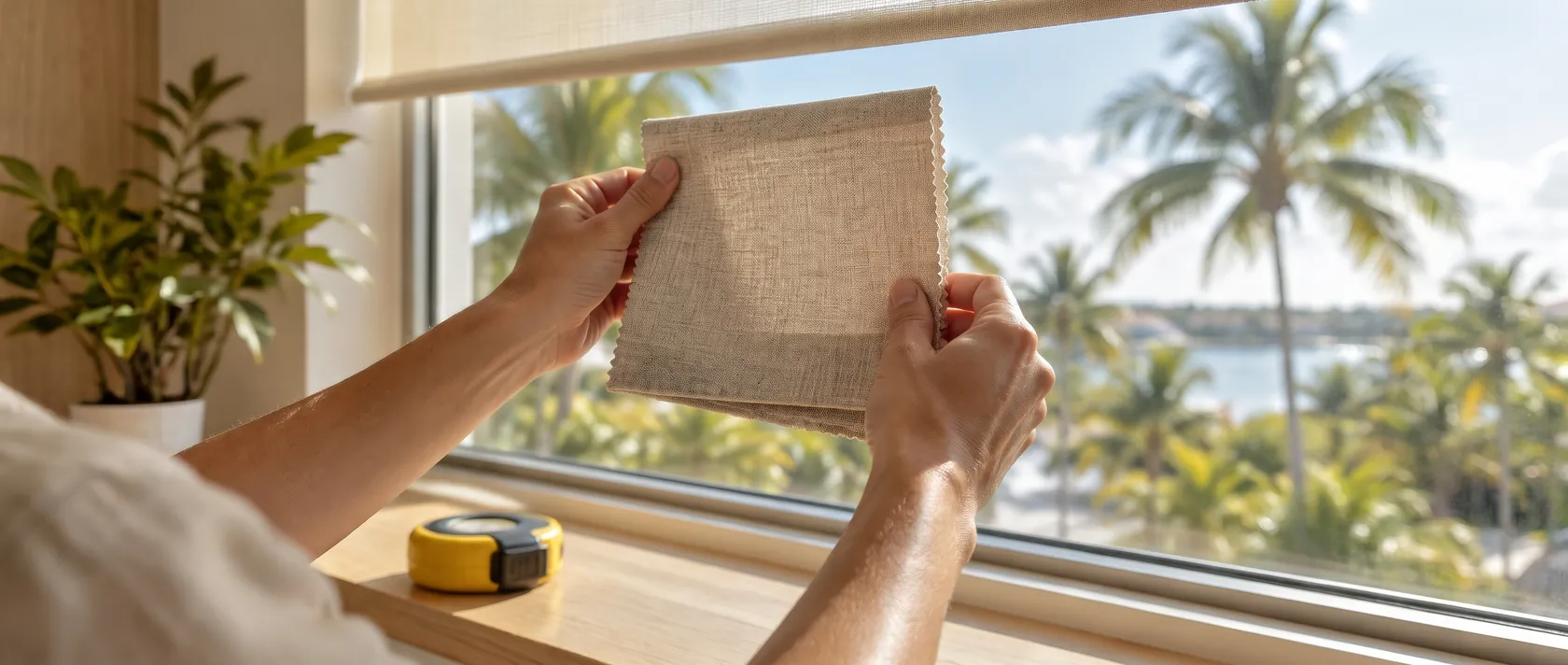
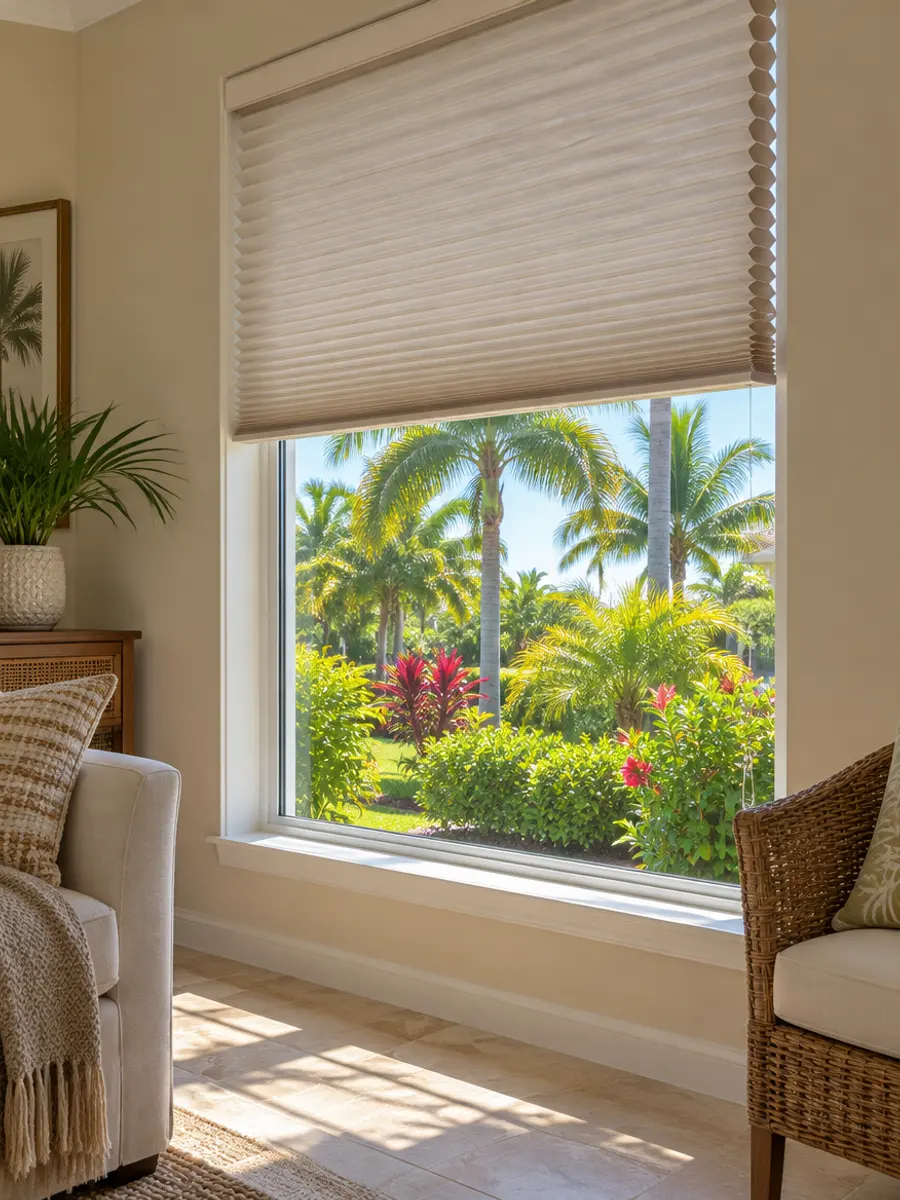
We measure at three heights and three widths and cut to the smallest, which is the whole reason a custom treatment fits an old house and an off-the-shelf one does not.