How cellular shades work
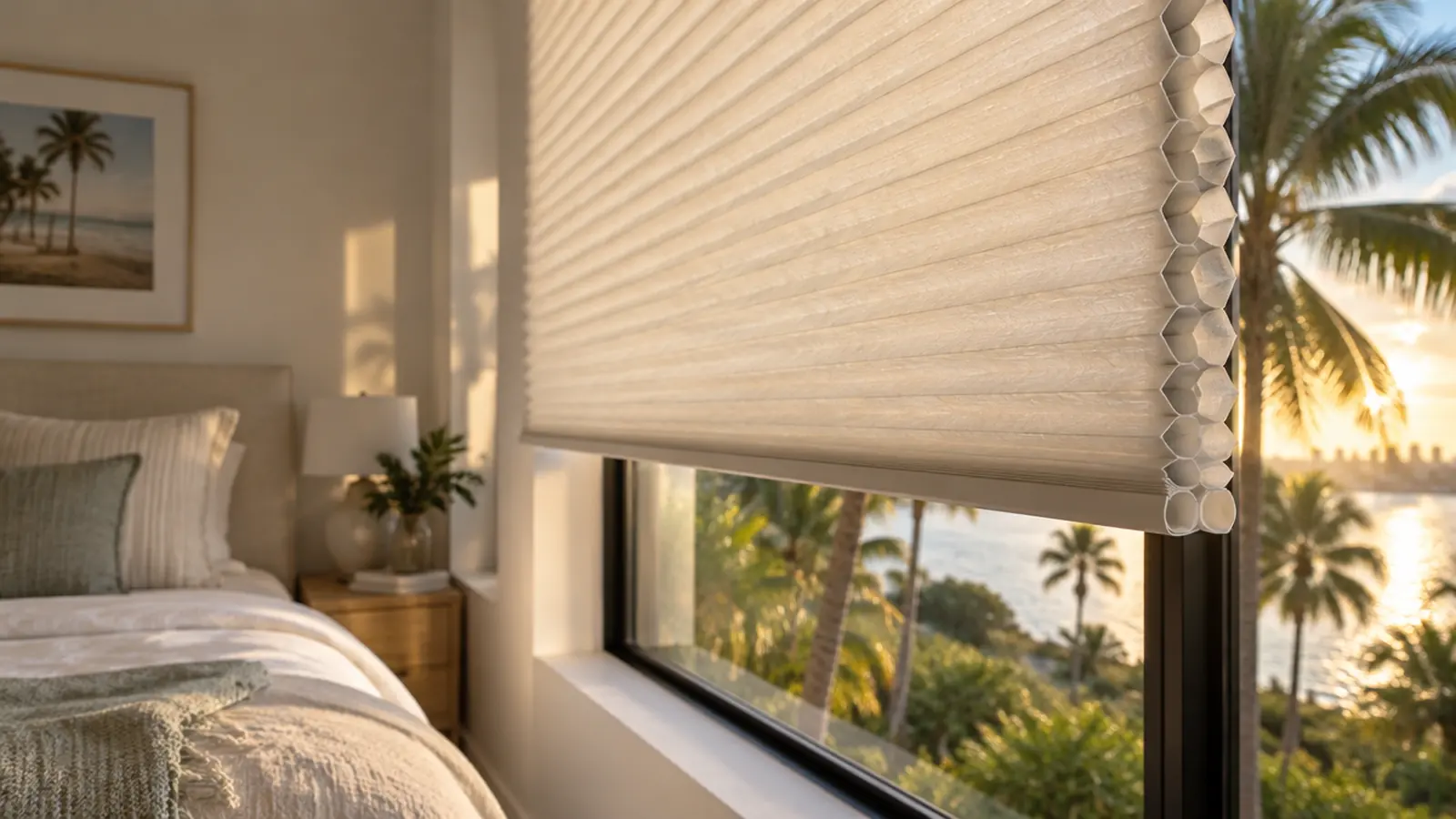
Folded pockets of still air sit between the room and the glass.
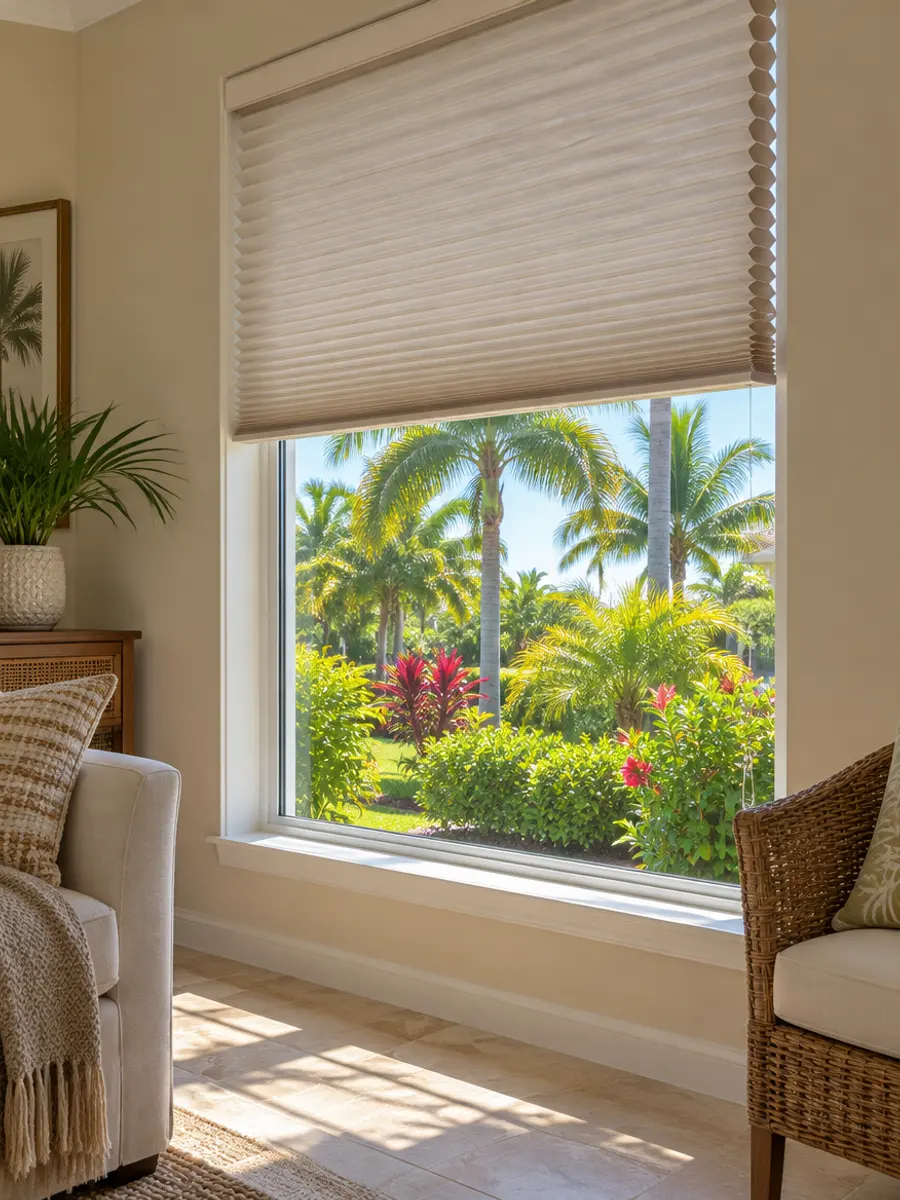
A cellular shade is made of fabric folded into rows of pockets that run the width of the window. Seen from the side, those pockets look like a honeycomb, which is the other name this shade goes by. Lifting the shade collapses the pockets into a small stack at the top.
The pockets are the whole point. Each one holds a column of air that is not moving, and still air is a poor conductor of heat. So instead of a single layer of fabric between the room and the glass, there is fabric, then trapped air, then fabric. That is the same principle as a double glazed window, done in cloth.
Where cellular shades do best in a South Florida home
On the window that makes a room too hot in the afternoon.
West-facing glass is the usual case. From about three o'clock the sun comes in low and straight, the room gains heat faster than the air conditioning removes it, and no amount of tilting slats fixes it because the problem is not glare. A cellular shade slows the heat at the glass, which is where it has to be slowed.
That makes it the shade we suggest most often in the newer western suburbs, where large west-facing windows and two-storey great rooms are standard and nothing outside shades them. It is also the right answer for a room over a garage, a bedroom you want to stay cool overnight, and a house that sits empty through the summer and should not be cooking inside.
What you choose
Single or double cell, the opacity, and whether it opens from the top as well as the bottom.
A single cell has one row of pockets and a double cell has two, one behind the other. Double holds back more heat and costs more, and on a window that is genuinely the problem window in the house it is usually worth the difference. On a shaded north-facing window it is not.
Opacity works as it does on any shade: light filtering keeps the room bright, blackout takes it dark. The option worth knowing about is top down and bottom up, where the shade can be lowered from the top instead of raised from the bottom.
That lets you cover the lower half of the window for privacy while daylight still comes in over it, which is the single most useful thing a cellular shade does in a ground floor room on a street.
Motorized cellular shades
Worth it on a high window, and especially on a top down and bottom up shade, where setting two independent rails by hand means reaching two different places. On a schedule, closing them before the afternoon sun arrives does the cooling without anybody being home. See how motorization works.
Pairings
What people pair them with
Very few windows end up with one thing on them, and the combinations below are the ones that come up most.
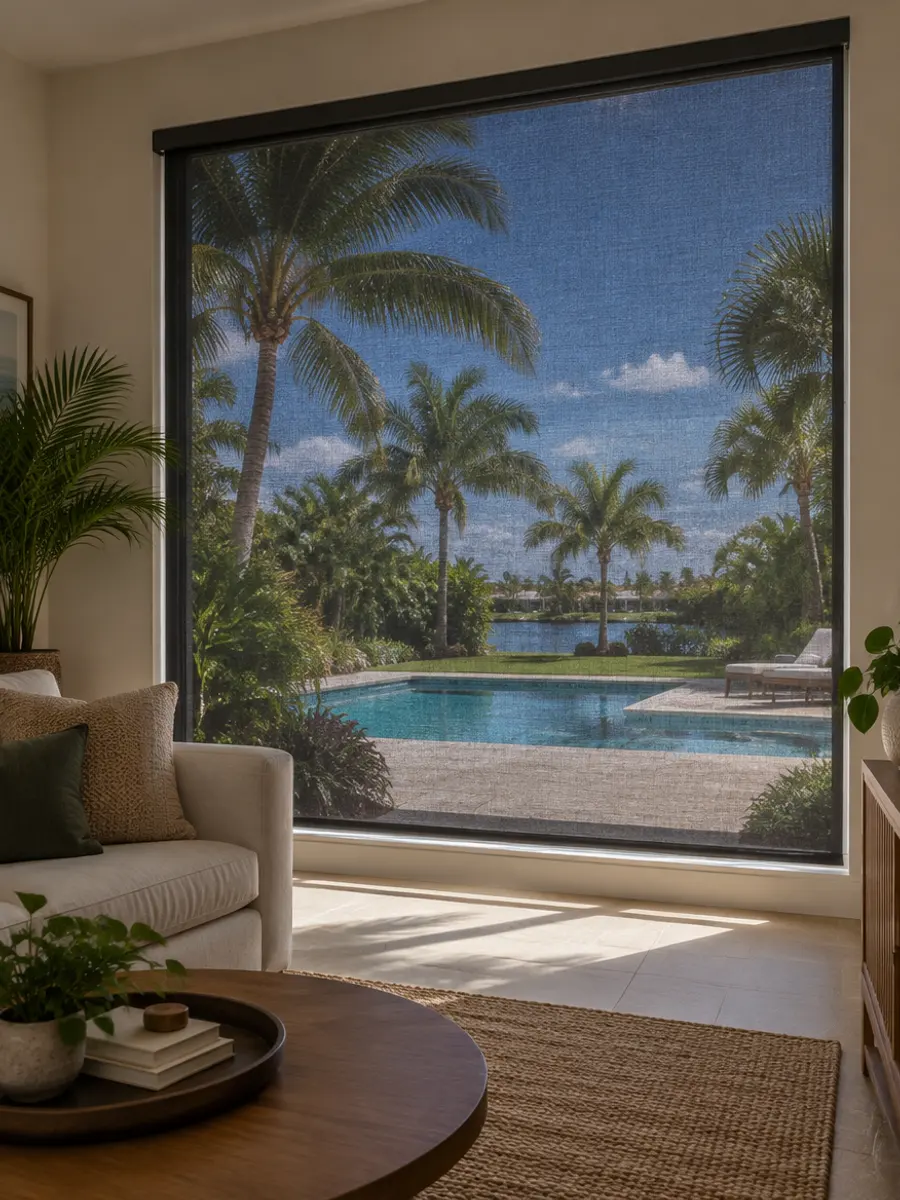
The comparison people usually weigh is a solar shade, which also fights heat but does it by blocking the sun rather than insulating against it, and keeps the view in exchange for being far less effective once the sun is directly on the glass. On a window with something worth looking at, some houses run both: solar for the day, cellular for the worst hours.
For a bedroom, a blackout cellular shade handles heat and dark at once, which is a rare combination in one product. Adding drapery panels over it closes the light line down the sides and softens a room that can otherwise look very plain.
One practical note on color. The side of a cellular shade facing out is usually white or off-white regardless of what you choose for the room, which is deliberate: it reflects heat and it keeps a building looking consistent from the street. In a condo it is often what the association requires anyway.
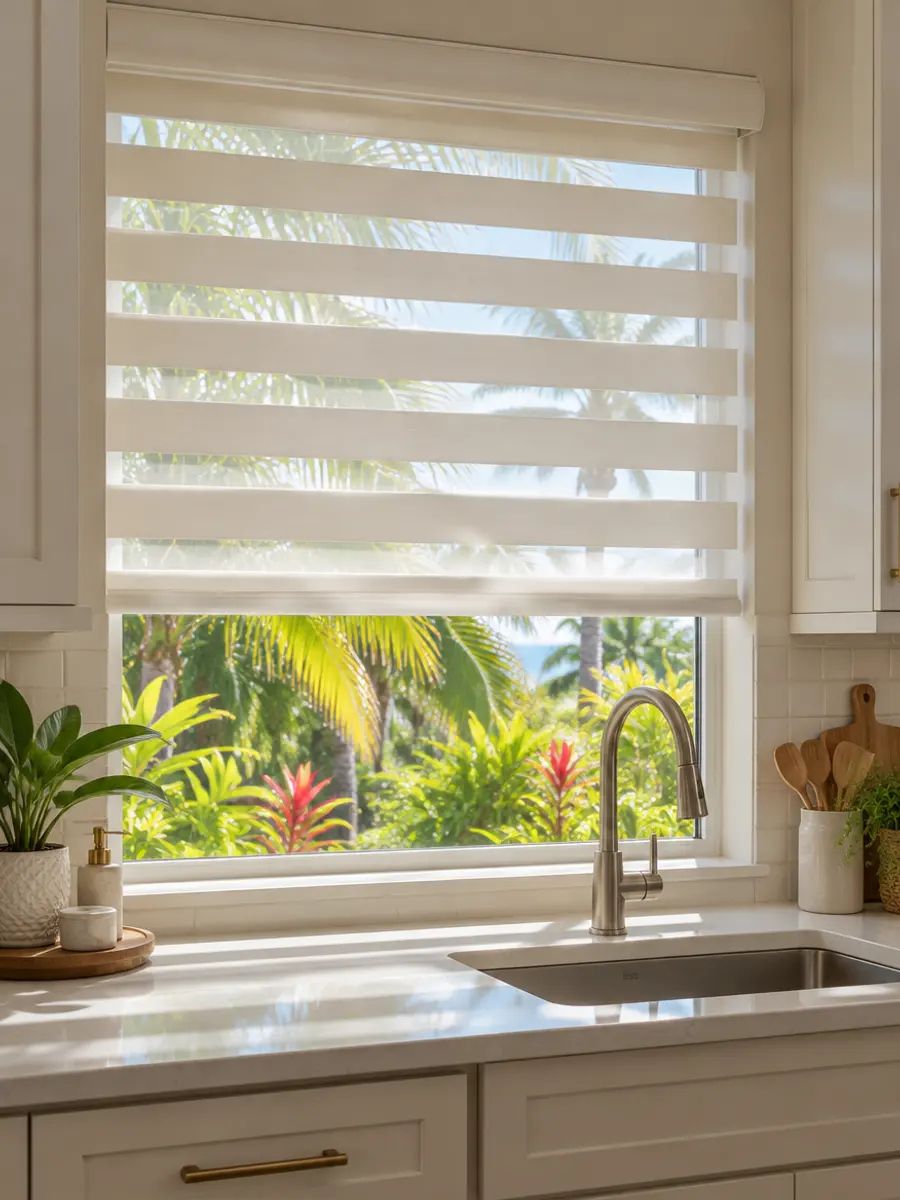
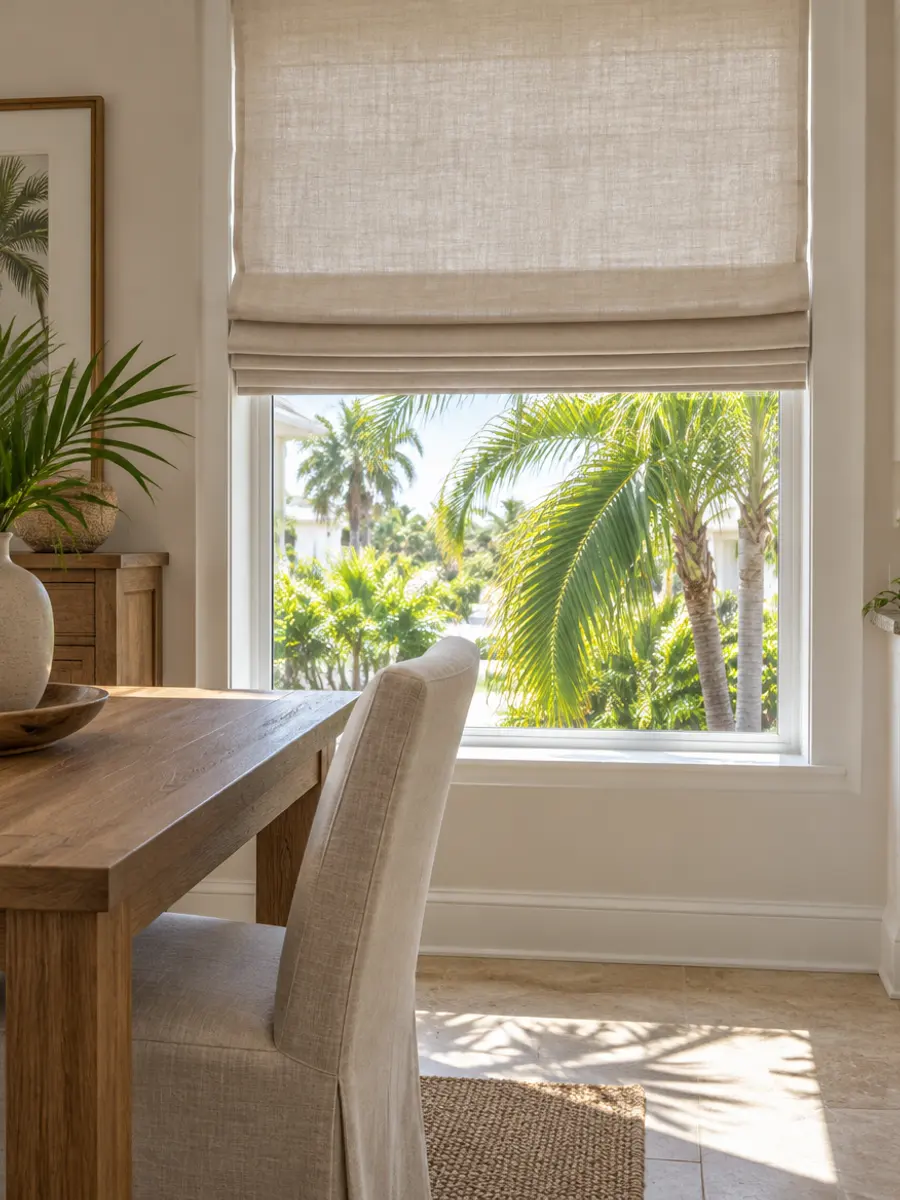
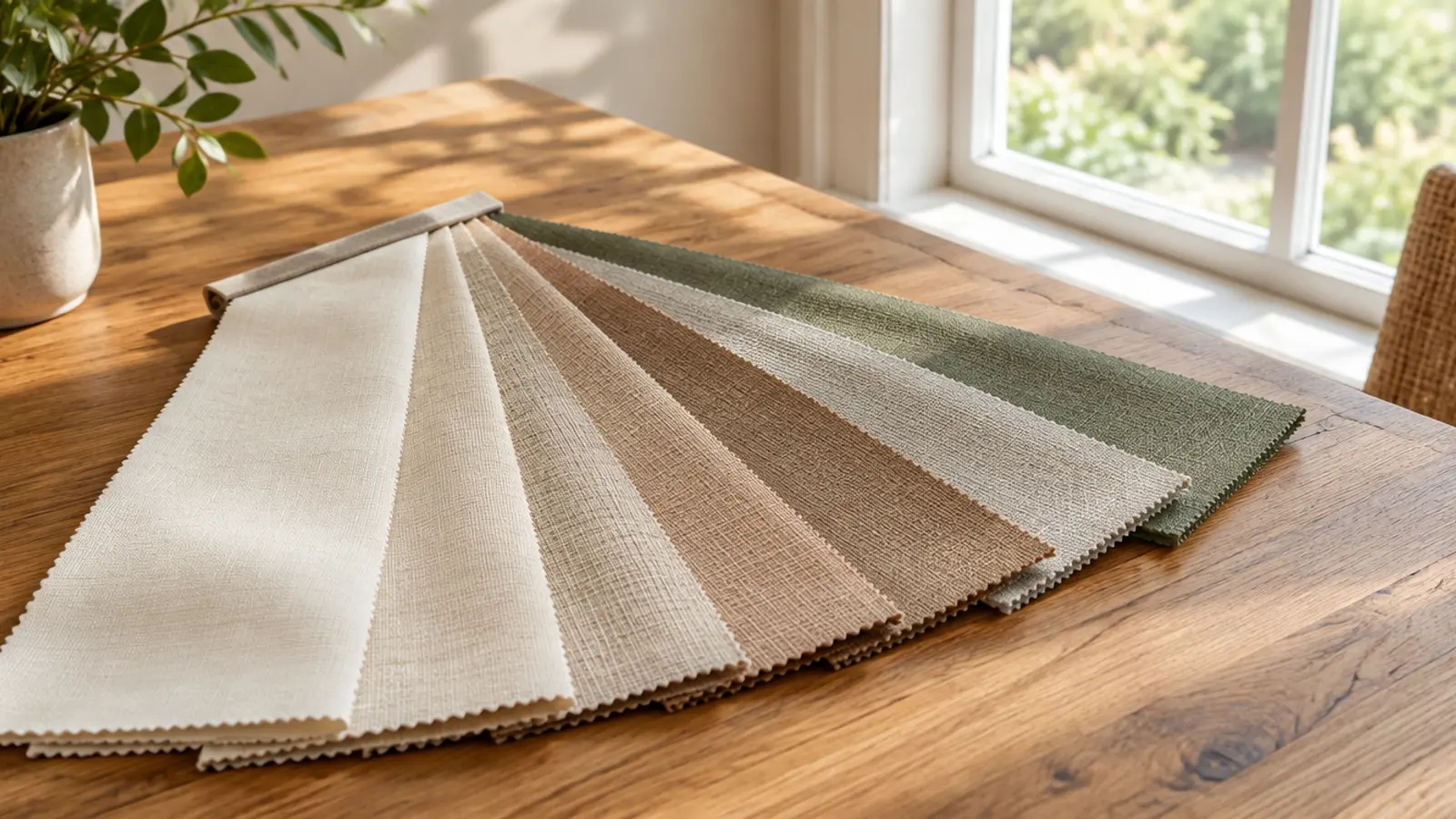
The rest of the shades we make are roller shades , zebra shades , roman shades and solar shades , and we will bring samples of whichever ones suit the room.
Before you book
Questions about cellular shades
Anything not answered here gets answered at the appointment, and it costs nothing to ask.
Are honeycomb shades and cellular shades different things?
No, they are the same product. Honeycomb describes what the folded pockets look like from the side, and cellular describes the cells those pockets form. Different manufacturers lead with different words.
Do they really lower the cooling bill?
They reduce the heat coming through a window, which is a real and measurable thing. What that saves on a specific bill depends on the window, the direction it faces, the glass and how the house is run, so we will not put a percentage on it. The effect is most noticeable in the room itself.
Single cell or double cell?
Double on the windows that are actually causing the problem, usually the west and southwest facing ones. Single everywhere else, because the extra is not buying much on a window that was never getting hot.
Do the pockets collect dust?
A little, over time. A vacuum on low with a brush head clears them, and because the shade folds flat when it is up, most of the surface is protected for most of its life.
What is top down and bottom up?
A shade with two moving rails. You can raise it from the bottom in the usual way, or lower it from the top so the bottom of the window is covered and light still comes in above. It is the best privacy answer we have for a ground floor room facing a street.
I'd like to explore my options
Let's make your home feel complete. We will reach out and help you get started.